Yes, cheque forgery can be a criminal offence in India. Creating, altering, signing, or using a cheque fraudulently may amount to forgery and can also involve offences such as cheating or using a forged document as genuine. The applicable provisions now primarily come under the Bharatiya Nyaya Sanhita, 2023 (BNS), which replaced the Indian Penal Code (IPC) as the principal criminal code. The exact offence and punishment depend on what was forged, how it was used, and the intention behind the conduct.
What Is Cheque Forgery?
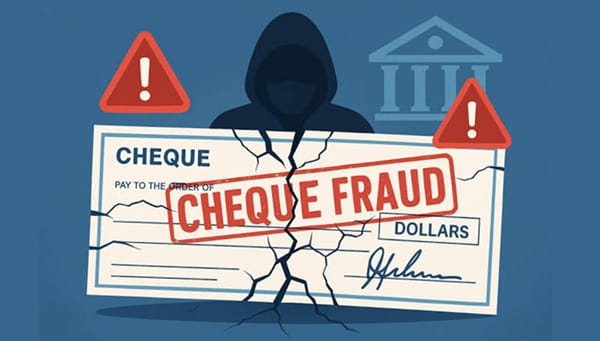
Cheque forgery generally involves creating or modifying a cheque without lawful authority with the intention of causing someone to believe that it is genuine.
Examples can include:
- Forging another person’s signature on a cheque
- Altering the amount written on a cheque
- Changing the payee’s name
- Altering other material particulars
- Creating a counterfeit cheque
- Fraudulently using a forged cheque as genuine
The legal question is not simply whether a cheque contains an incorrect signature or altered information. Investigators and courts may examine who made the alteration, whether it was authorised, the purpose behind it, and whether there was an intention to cause loss, obtain property, support a claim, or commit fraud.
What Does the Bharatiya Nyaya Sanhita Say About Forgery?
Section 335 of the BNS defines circumstances involving the making of a false document or false electronic record. The provision includes conduct intended to cause damage or injury, support a claim or title, cause a person to part with property, enter into a contract, or commit fraud.
Section 336 specifically deals with forgery.
Under Section 336(2), ordinary forgery can be punished with imprisonment of up to two years, or fine, or both. Where forgery is committed with the intention that the forged document or electronic record will be used for cheating, Section 336(3) provides for imprisonment of up to seven years and fine.
The appropriate provision therefore depends on the circumstances of the alleged cheque forgery.
Is Forging a Signature on a Cheque a Criminal Offence?
Potentially, yes.
If a person knowingly signs another individual’s name on a cheque without authority and does so fraudulently, the conduct may fall within the law relating to false documents and forgery.
For example, suppose A obtains B’s cheque leaf and signs B’s name without permission, intending to withdraw money from B’s bank account. Depending on the facts and evidence, this conduct may constitute forgery and potentially involve other criminal offences.
A genuine authorised signature should not be confused with a forged signature merely because a dispute later arises about a cheque.
What If Someone Alters the Amount on a Cheque?
Altering the amount on a cheque without authority can also have criminal consequences.
For example, suppose a cheque originally issued for ₹20,000 is deliberately changed to ₹2,00,000 before being presented to the bank. If the alteration was fraudulent and intended to cause financial loss or obtain money, it may constitute forgery and could potentially involve cheating or other offences depending on the circumstances.
Evidence such as the original cheque, handwriting or forensic examination, bank records, transaction documents and communications may become relevant.
What If a Forged Cheque Is Used?
Creating a forged cheque and using one are not necessarily the same act.
A person who knowingly uses a forged document as genuine may face separate criminal liability depending on the applicable provisions and facts. The prosecution may need to establish knowledge or circumstances showing that the person knew, or had the requisite intention concerning, the forged nature of the document.
Therefore, someone who innocently receives a forged cheque is in a different legal position from a person who knowingly uses it to obtain money.
Can Cheque Forgery Also Amount to Cheating?
Yes, the same transaction can potentially involve more than one offence.
If a forged cheque is used to deceive another person or bank and dishonestly obtain money or property, the facts may support allegations of cheating in addition to forgery.
The precise charges depend on the conduct, intention, evidence and applicable provisions of the BNS. A cheque-related dispute should therefore not automatically be treated as only a banking or civil matter.
What Evidence Is Important in a Cheque Forgery Case?
Evidence can be particularly important because forgery allegations often depend on proving authenticity and intention.
Relevant material may include:
- Original cheque or cheque image
- Bank statements
- Bank return records
- Signature specimens
- Account-opening documents
- CCTV footage, where available
- Transaction records
- Messages or emails
- Documents relating to the underlying transaction
- Forensic handwriting or document examination
- Statements of relevant witnesses
The specific evidence required depends on the facts of the case.
What Should a Victim Do After Discovering Forgery?
A person who discovers that a cheque has allegedly been forged should act promptly.
The person may inform the bank, preserve the original documents and transaction records, and report the suspected fraud to the appropriate law-enforcement authority. It is also important to document when the suspected forgery was discovered and how the cheque was obtained or used.
Where significant money is involved, professional legal advice can help determine the appropriate criminal and civil remedies.
Is Every Disputed Cheque a Forgery Case?
No. A disagreement about a cheque does not automatically mean forgery has occurred.
For example, disputes may concern an unpaid debt, a blank cheque, a disputed signature, an authorised alteration, or the circumstances in which the cheque was issued. Criminal liability generally requires the relevant legal ingredients to be established.
The distinction between an ordinary payment dispute and intentional fraudulent conduct is therefore important.
Conclusion
Cheque forgery can constitute a criminal offence in India. Under the current criminal-law framework, the BNS addresses false documents and forgery, with Section 336 providing different punishment levels depending on the nature and purpose of the forgery. Forgery intended for use in cheating can attract imprisonment of up to seven years and fine.
A forged cheque may also lead to allegations involving cheating or other offences when the surrounding facts support them. However, not every cheque dispute amounts to forgery. The authenticity of the cheque, authority to sign or alter it, intention, use of the document and available evidence are important in determining the applicable legal consequences.
Anyone dealing with suspected cheque forgery should preserve the original cheque and related banking records and obtain appropriate legal advice before taking further action.