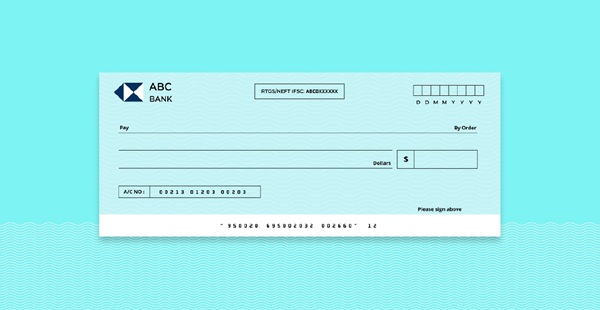
Yes, a cheque signature mismatch can become a legal issue in India, particularly when the cheque is dishonoured and the parties seek to initiate proceedings under the Negotiable Instruments Act, 1881. However, a signature mismatch does not automatically mean that a criminal offence has been committed, nor does every signature-related dishonour automatically attract Section 138. The legal consequences depend on the reason for dishonour, the underlying transaction and whether the statutory requirements are satisfied.
What Is a Cheque Signature Mismatch?
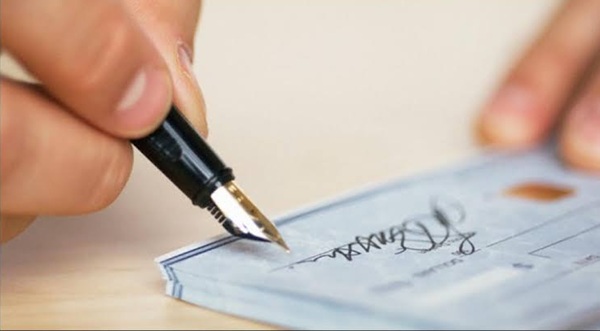
A cheque signature mismatch occurs when the signature appearing on a cheque does not sufficiently correspond with the specimen signature held by the bank.
The bank may return the cheque with a reason such as:
- “Signature differs”
- “Drawer’s signature differs”
- “Signature mismatch”
- “Incomplete signature”
- Other similar banking remarks
A mismatch may occur because the account holder changed their signature, signed differently from usual, made an error while signing, or because the cheque was actually signed by an unauthorised person.
The bank’s return reason is therefore important when determining the next legal step.
Is Signature Mismatch Automatically a Cheque-Bounce Offence?
Not necessarily.
Section 138 of the Negotiable Instruments Act, 1881 deals with dishonour of certain cheques issued towards a legally enforceable debt or other liability. The statutory conditions must be satisfied before criminal proceedings under this provision can arise. The Act separately contains provisions dealing with presumptions, procedure and limitation.
The Supreme Court has considered cases where cheques were returned because the drawer’s signature differed from the specimen supplied to the bank. The Court has examined whether such dishonour can fall within Section 138, demonstrating that the reason for return and the facts surrounding the cheque matter.
Therefore, it would be inaccurate to say that every cheque returned for “signature mismatch” automatically results in Section 138 liability.
What If the Drawer Actually Signed the Cheque?
Suppose a person genuinely signs a cheque but the bank refuses payment because the signature does not match its records.
The drawer may still face a dispute if the cheque was issued towards a legally enforceable debt and the statutory requirements for Section 138 are otherwise fulfilled.
The drawer’s explanation for the mismatch can become relevant. For example, the drawer may contend that the cheque was genuinely signed but rejected because the signature had changed or was inadvertently different.
The court may consider the cheque, bank records, specimen signatures, transaction documents and evidence presented by both sides.
What If the Signature Was Forged?
A different legal situation arises if someone forged the account holder’s signature.
Forgery of a cheque can potentially involve criminal offences under India’s current criminal-law framework, depending on the circumstances, including provisions concerning making a false document and forgery under the Bharatiya Nyaya Sanhita, 2023.
If a person discovers an unauthorised cheque bearing their purported signature, they should promptly inform the bank, preserve relevant records and consider reporting the suspected fraud to the appropriate authorities.
A signature dispute should not automatically be treated as a simple cheque-bounce matter when there is evidence suggesting unauthorised use or forgery.
Does Signature Mismatch Cancel the Debt?
Not necessarily.
The cheque is generally evidence connected with an underlying transaction. If the cheque is rejected because of a signature mismatch, the underlying debt or contractual obligation may still exist independently.
For example, suppose A owes B ₹2 lakh under a documented transaction and gives B a cheque. The bank returns the cheque because of a signature mismatch. The bank’s refusal to honour that particular cheque does not by itself prove that A no longer owes the underlying amount.
The parties may therefore have remedies concerning the underlying debt in addition to any cheque-related proceedings.
What Is the Importance of Section 139?
Section 139 of the Negotiable Instruments Act creates a statutory presumption in favour of the holder of a cheque in the circumstances covered by the provision. The Supreme Court has explained that this presumption is rebuttable and that the drawer may seek to establish a defence through evidence and circumstances.
Consequently, a drawer cannot necessarily avoid all legal consequences simply by pointing to a signature dispute. At the same time, the existence of a signature mismatch does not automatically establish liability under Section 138.
The facts surrounding issuance and execution of the cheque remain important.
What Should the Payee Do After Signature Mismatch?
If a cheque is returned because the signature differs, the payee should preserve the bank’s return memo and the original cheque.
Depending on the circumstances, the payee may:
- Contact the drawer and seek clarification or payment.
- Obtain another cheque or an alternative payment method.
- Preserve documents establishing the underlying debt.
- Consider the statutory procedure under Section 138 where applicable.
- Obtain legal advice concerning limitation and procedural requirements.
If Section 138 is being considered, the statutory notice and filing timelines should be followed carefully.
What Should the Drawer Do?
A drawer who discovers that a cheque has been returned due to signature mismatch should determine why the mismatch occurred.
If the signature was genuinely theirs, they may contact the bank to understand the reason for rejection and update their signature records if necessary.
If the cheque was not signed by them or was used without authority, they should promptly notify the bank and preserve evidence. Relevant documents can include bank statements, cheque images, account records, communications and information concerning who had possession of the cheque.
Can a Signature Mismatch Be Used as Evidence?
Yes. The bank’s return memo can be relevant evidence concerning why the cheque was not honoured.
However, the return memo alone may not resolve every legal question. A court may also need to examine whether the cheque was issued by the drawer, whether a legally enforceable liability existed, whether the statutory requirements were met and whether the drawer has rebutted any applicable presumption.
Conclusion
Cheque signature mismatch can be a legal issue in India, but its consequences depend on the circumstances. A bank may return a cheque because the drawer’s signature does not match its specimen records, but that fact alone does not automatically establish forgery or guarantee that Section 138 proceedings will succeed.
Where the cheque was issued towards a legally enforceable debt, the payee may need to consider the requirements of the Negotiable Instruments Act. Where the signature was genuinely forged or the cheque was used without authority, separate criminal-law issues may arise.
Both parties should preserve the original cheque, bank return memo, transaction records and relevant communications. Because cheque-dishonour cases involve statutory requirements and procedural deadlines, a qualified legal professional should review the facts before legal proceedings are initiated or defended.