Yes, a blank cheque is not automatically invalid in India, particularly when it has been voluntarily signed and handed over by the drawer. However, giving someone a signed blank cheque can create significant legal risks because the cheque may subsequently be completed and presented for payment. Under the Negotiable Instruments Act, 1881, the legal consequences depend on the circumstances in which the cheque was issued, the underlying liability and the evidence available. The Supreme Court has held that merely because the particulars were filled in by someone other than the drawer does not, by itself, invalidate a signed cheque.
What Is a Blank Cheque?
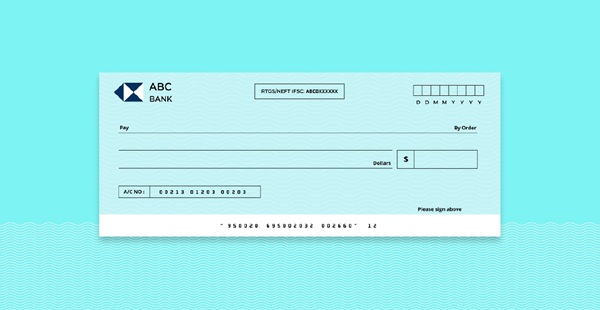
A blank cheque generally refers to a cheque leaf that has been signed by the account holder but has some or all other particulars left incomplete, such as the amount, date or payee’s name.
For example, a person may sign a cheque and hand it to another person without entering the amount. Such cheques are sometimes provided in connection with loans, business transactions, security arrangements or other financial obligations.
Although signing a blank cheque does not automatically make it an offence, handing over a signed blank cheque can create legal and financial risks.
Is a Signed Blank Cheque Legally Valid?
A signed blank cheque is not automatically rendered invalid merely because the drawer did not personally fill in all its details.
In Bir Singh v. Mukesh Kumar, the Supreme Court held that where a signed blank cheque is voluntarily handed over toward payment, the payee may fill in the amount and other particulars. The Court stated that this fact alone does not invalidate the cheque. The Supreme Court reaffirmed this principle in later proceedings, explaining that the drawer can remain liable unless the statutory presumption is rebutted.
Therefore, the argument that “I did not fill in the amount myself” does not automatically defeat a cheque-related claim.
What Is Section 20 of the Negotiable Instruments Act?
Section 20 of the Negotiable Instruments Act deals with inchoate stamped instruments. It recognises circumstances in which a person signs and delivers a stamped instrument that is incomplete, thereby giving the holder certain authority to complete it, subject to the statutory framework.
This provision is relevant when considering incomplete instruments, although its application depends on the facts and nature of the instrument involved. The Negotiable Instruments Act also contains separate provisions dealing with presumptions and cheque dishonour.
What Happens If a Blank Cheque Is Filled and Bounces?
A major legal issue arises when a signed blank cheque is completed and subsequently dishonoured.
Section 138 of the Negotiable Instruments Act can apply where a cheque is dishonoured in circumstances covered by the provision and was issued for the discharge, wholly or partly, of a legally enforceable debt or other liability. The Act also establishes a presumption in favour of the holder under Section 139, subject to rebuttal.
The Supreme Court has specifically stated that even if the cheque’s particulars were filled in by someone other than the drawer, this fact alone does not prevent Section 138 from applying when the cheque is otherwise valid and the statutory requirements are satisfied.
Does Signing a Blank Cheque Create Automatic Liability?
No. Signing a blank cheque does not mean that every amount subsequently written on it automatically becomes legally payable.
The presumption under Section 139 is rebuttable. The person accused in a cheque dishonour case can present evidence and circumstances challenging the existence of the alleged debt or liability.
The Supreme Court has reiterated that once execution of a cheque is admitted, Section 139 creates a presumption that the cheque was issued for the discharge of a debt or other liability. However, that presumption can be rebutted, and the facts and evidence of each case remain important.
What If the Payee Fills an Incorrect Amount?
Suppose a person voluntarily gives a signed blank cheque for a particular transaction, but the recipient later fills in an amount that the drawer disputes.
The dispute may then involve questions such as:
- What was the purpose of the cheque?
- What amount was actually owed?
- Was there a legally enforceable debt?
- Was any payment already made?
- Was the cheque misused?
- What documents support each party’s version?
- Can the drawer rebut the statutory presumption?
The court can examine the surrounding circumstances and evidence rather than deciding the matter solely on the fact that the cheque was initially blank.
Can a Blank Cheque Be Used as a Security Cheque?
Blank cheques are sometimes described as “security cheques.” However, simply calling a cheque a security cheque does not automatically determine its legal effect.
The important question can be whether the cheque was connected with a legally enforceable debt or liability when the statutory requirements for cheque dishonour are considered. The Supreme Court has repeatedly emphasised that the legal consequences depend on the underlying transaction and applicable evidence.
Consequently, a drawer should not assume that describing a cheque as “security” automatically prevents Section 138 proceedings.
Risks of Giving a Blank Signed Cheque
Giving a blank signed cheque carries several practical risks.
The recipient may potentially enter an amount or other particulars that the drawer did not intend. If the cheque is subsequently presented and dishonoured, the drawer may have to contest the resulting claim with documentary and other evidence.
For this reason, people should generally avoid signing blank cheques unless there is a clear and legitimate reason to do so.
Where a cheque is issued for a transaction, maintaining supporting records such as agreements, invoices, receipts, bank statements and correspondence can become important if a dispute later arises.
What Should You Do If a Blank Cheque Is Misused?
If a person believes that a signed cheque has been misused, the circumstances should be documented promptly. Relevant steps may include communicating the dispute in writing, preserving transaction records and obtaining appropriate legal advice.
A bank may also be contacted regarding payment instructions, but stopping payment does not automatically extinguish an underlying legally enforceable liability. The legal consequences depend on the facts and applicable law.
Conclusion
A blank cheque is not automatically invalid in India, particularly where it is a signed cheque voluntarily handed over by the drawer. The Supreme Court has clarified that a payee filling in the particulars of a voluntarily delivered signed blank cheque does not, by itself, invalidate the cheque.
At the same time, signing a blank cheque does not mean that every amount subsequently inserted is automatically enforceable. Section 139 creates a rebuttable presumption concerning the existence of a debt or liability, while Section 138 applies only when its statutory requirements are satisfied.
Because blank-cheque disputes depend heavily on the underlying transaction and evidence, anyone involved in such a dispute should preserve relevant financial records and obtain advice from a qualified legal professional.