Generally, no. Altering the amount written on a cheque without proper authority or consent is not legally permitted in India and may make the cheque subject to the rules on material alteration. Under Section 87 of the Negotiable Instruments Act, 1881, a material alteration can render a negotiable instrument void against parties who did not consent to the alteration, unless the change was made to carry out the common intention of the original parties.
If an alteration is made fraudulently, such as changing ₹10,000 to ₹1,00,000 with an intention to obtain money unlawfully, it can also potentially amount to forgery under the Bharatiya Nyaya Sanhita, 2023 (BNS).
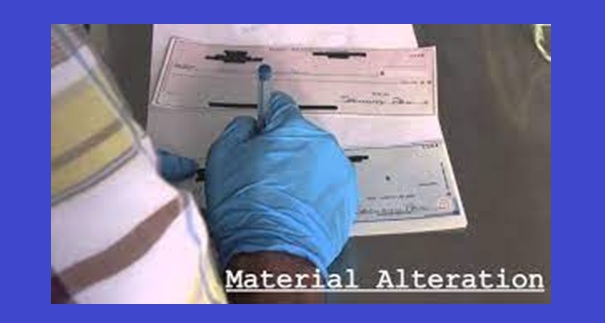
What Is a Material Alteration?
A material alteration is a change that affects the legal character, rights or obligations connected with a negotiable instrument.
In the case of a cheque, examples can include:
- Changing the amount
- Altering the payee’s name
- Changing the date in a legally significant manner
- Altering the bank or payment instructions
- Changing other material particulars
Not every correction necessarily has the same legal effect. The circumstances, nature of the change and whether the relevant parties consented can be important.
Section 87 specifically addresses material alterations and provides that such an alteration can make the instrument void against a party who was not a consenting party.
Can the Amount Be Corrected With Consent?
An alteration is not necessarily unlawful merely because the cheque contains a correction. Section 87 itself recognises an exception where the alteration is made to carry out the common intention of the original parties.
For example, if the parties identify a genuine clerical error and agree to correct it in an appropriate manner, the legal position can differ from a unilateral alteration made without the drawer’s knowledge.
However, because banks have procedures for handling corrections and altered instruments, simply obtaining verbal consent may not always be sufficient from a practical banking perspective. Where a material correction is necessary, issuing a fresh cheque can often avoid uncertainty.
What Happens If Someone Changes the Amount Without Permission?
Suppose a person receives a cheque for ₹25,000 but changes the amount to ₹2,50,000 without the drawer’s authority.
This is a materially different situation from a mutually agreed correction. The alteration may affect the validity and enforceability of the instrument against the non-consenting party.
If the change was made fraudulently with the intention of causing financial loss or obtaining property, criminal-law consequences may also arise.
The exact legal consequences depend on evidence concerning who made the alteration, whether it was authorised and what the person’s intention was.
Can Altering a Cheque Amount Amount to Forgery?
Yes, depending on the circumstances.
The Bharatiya Nyaya Sanhita, 2023 defines circumstances involving the making of a false document or false electronic record and addresses forgery. Section 336 provides punishment for forgery, while more serious punishment applies where the forgery is committed with the intention that the forged document will be used for cheating.
Therefore, deliberately changing the amount on another person’s cheque and presenting it as genuine can potentially result in criminal proceedings if the statutory ingredients of forgery or another applicable offence are established.
For example, changing a cheque from ₹5,000 to ₹50,000 and presenting it to obtain the additional amount could involve allegations of fraudulent alteration and forgery.
What If the Drawer Made the Alteration?
The legal position can be different when the drawer themselves makes a correction.
However, a bank may refuse to process a cheque containing alterations or require the correction to be authenticated according to its procedures. The safest practical approach when a material detail is incorrect is usually to issue a fresh cheque rather than attempting to modify an important field.
A fresh cheque also creates a clearer record of the amount and reduces disputes about whether an alteration was authorised.
Can Banks Pay an Altered Cheque?
The Negotiable Instruments Act contains provisions concerning payment of instruments where an alteration is not apparent. Section 89 addresses situations where a cheque or other negotiable instrument has been materially altered but the alteration does not appear on its face. In specified circumstances, payment made according to the apparent tenor of the instrument can discharge the person or banker making payment.
This provision is important because the legal consequences can differ depending on whether an alteration is visible or apparent when the cheque is presented.
A bank’s processing of a cheque does not necessarily settle every dispute between the parties concerning an unauthorised alteration.
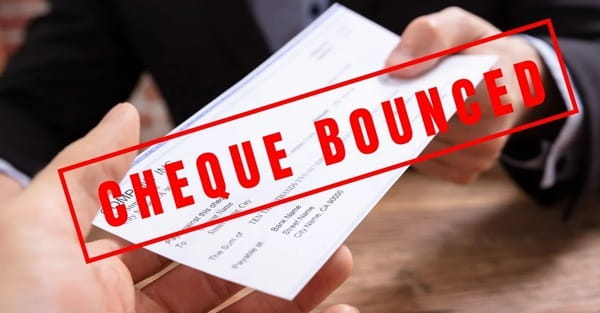
What If the Cheque Is Altered and Then Bounces?
If an altered cheque is dishonoured, the parties should not automatically assume that a cheque-bounce claim will succeed or fail.
For proceedings under Section 138 of the Negotiable Instruments Act, the statutory requirements must be independently satisfied, including the requirement that the cheque relate to a legally enforceable debt or liability.
An alleged unauthorised alteration can become an important issue because the validity and apparent terms of the cheque may be disputed.
The court may examine the original transaction, the cheque, bank records, communications and evidence concerning the alteration.
What Should You Do If You Receive an Altered Cheque?
If you receive a cheque containing an unexplained alteration in the amount, consider taking the following practical steps:
- Do not make further changes to the cheque.
- Preserve the original instrument.
- Ask the drawer to clarify the correction.
- Keep relevant invoices, agreements and payment records.
- Obtain the bank’s return or processing information if the cheque is presented.
- Consider obtaining legal advice if fraud or a significant financial dispute is involved.
Documentary evidence can become important if the alteration is later disputed.
What Evidence Can Help Prove Unauthorised Alteration?
Evidence may include:
- The original cheque
- Bank records and cheque images
- Account statements
- Correspondence between the parties
- Agreements or invoices
- Handwriting or forensic examination, where relevant
- Statements from witnesses
- Evidence concerning the original amount agreed between the parties
The evidence required depends on the facts and the nature of the dispute.
Conclusion
Altering the amount on a cheque without proper authority is generally not legally permitted in India. Section 87 of the Negotiable Instruments Act treats material alteration seriously and provides that such an alteration can render the instrument void against a party who did not consent, subject to the statutory exception for alterations made to carry out the common intention of the original parties.
Where an amount is deliberately changed to obtain money fraudulently, the conduct may also attract criminal-law provisions concerning forgery under the Bharatiya Nyaya Sanhita, 2023.
The safest approach when a material cheque detail needs correction is generally to obtain the drawer’s clear consent and, where appropriate, issue a fresh cheque rather than altering the existing instrument. In an actual dispute, the original cheque, banking records and evidence concerning the underlying transaction should be preserved and reviewed by a qualified legal professional.