Yes, legal action is available in India when a cheque is dishonoured, provided the statutory requirements are satisfied. The primary legal provision is Section 138 of the Negotiable Instruments Act, 1881, which deals with cheque dishonour for insufficiency of funds or where the amount exceeds the arrangement with the bank. In qualifying cases, cheque bounce can result in criminal proceedings, along with other possible remedies for recovery of the underlying amount.
However, merely receiving a returned cheque does not automatically establish a Section 138 offence. Specific conditions and deadlines must be followed.
What Is a Cheque Bounce?
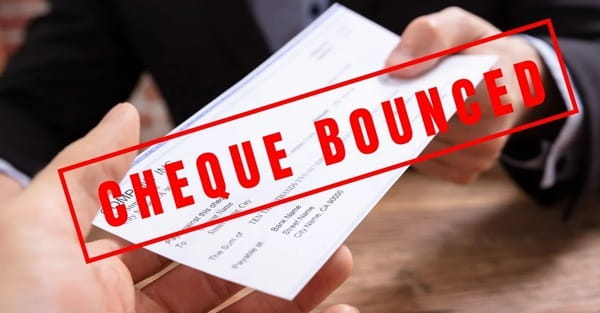
A cheque bounce, legally described as dishonour of a cheque, occurs when the bank returns a cheque unpaid. One common reason is insufficient funds in the drawer’s account. Section 138 specifically covers situations where a cheque issued for the discharge, wholly or partly, of a legally enforceable debt or other liability is returned unpaid because the available funds are insufficient or the cheque exceeds the amount arranged with the bank.
Other reasons for cheque return may require separate legal analysis. Therefore, the exact reason mentioned in the bank’s return memo can be important.
What Does Section 138 Provide?
Section 138 makes certain cheque dishonours an offence when its statutory conditions are fulfilled. The provision currently allows punishment of imprisonment for up to two years, a fine that may extend to twice the cheque amount, or both.
The law is intended to protect the credibility of cheque-based transactions while providing the drawer an opportunity to make payment after receiving a formal demand.
Conditions for Taking Legal Action
For Section 138 proceedings, several requirements must generally be satisfied.
First, the cheque must have been presented to the bank within six months from the date it was drawn or within its validity period, whichever is earlier.
Second, after receiving information from the bank that the cheque has been returned unpaid, the payee or holder in due course must send a written demand notice to the drawer within 30 days.
Third, the drawer receives 15 days from receipt of the notice to make payment of the cheque amount. If payment is made within this period, the statutory cause for prosecution under Section 138 does not arise on that default. The Supreme Court has also explained that prosecution is postponed until this 15-day period expires without payment.
What Happens If the Drawer Does Not Pay?
If the drawer fails to pay within the 15-day period, the payee can initiate a complaint under the applicable provisions of the Negotiable Instruments Act.
The Supreme Court has explained that a complaint under Section 138 must generally be filed within one month from the date the cause of action arises, subject to the statutory provision permitting the court to consider a delayed complaint where sufficient cause for the delay is shown.
Because these deadlines are important, a payee should preserve the cheque, bank return memo, demand notice, proof of dispatch or delivery, and documents supporting the underlying transaction.
Is a Legal Notice Mandatory?
For a Section 138 prosecution, the written demand notice required by the statutory proviso is a critical step. The payee must demand payment of the cheque amount within the prescribed 30-day period after receiving information about dishonour.
A properly prepared notice should identify the cheque, date of presentation, amount, dishonour information and the payment being demanded. It should also provide the drawer the statutory opportunity to pay.
Given the consequences of an incorrectly drafted or delayed notice, obtaining legal advice can be useful in an actual dispute.
Does the Cheque Need to Be for a Debt?
Yes, this is an important element. Section 138 applies where the cheque was issued for the discharge, wholly or partly, of a legally enforceable debt or other liability.
The law also contains a statutory presumption in favour of the holder under Section 139, unless the contrary is proved.
This does not mean every dishonoured cheque automatically results in liability. The facts, documents, transaction and applicable legal requirements matter.
What Evidence Should the Payee Preserve?
A person considering legal action should generally maintain records such as:
- Original cheque
- Bank return or dishonour memo
- Copy of the legal demand notice
- Proof of sending and delivery
- Invoices, agreements or other documents showing the underlying transaction
- Relevant messages, correspondence or acknowledgements
- Bank records showing the transaction, where applicable
These documents can become important during legal proceedings.
Can Companies Be Liable?
Section 141 addresses offences by companies. Where the drawer is a company, the company and certain individuals who were in charge of and responsible for the conduct of its business may be proceeded against, subject to the statutory requirements and available defences.
The liability of individual directors or officers is therefore not automatic merely because they hold a position in a company; the statutory conditions must be examined in the particular case.
Can the Parties Settle a Cheque Bounce Case?
Cheque dishonour offences under the Negotiable Instruments Act are compoundable, meaning the parties can settle the matter subject to the applicable legal procedure. Section 147 expressly provides for compounding of offences under the Act.
A settlement may therefore bring proceedings to an end in appropriate circumstances, but the terms should be properly documented.
Conclusion
Cheque bounce legal action is available in India under Section 138 of the Negotiable Instruments Act, 1881, when the statutory requirements are fulfilled. The important steps include timely presentation of the cheque, sending the written demand notice within 30 days of receiving information about dishonour, allowing the drawer 15 days to make payment, and filing the complaint within the applicable limitation period if payment is not made.
Because cheque-bounce proceedings involve strict procedural requirements, anyone dealing with an actual dishonoured cheque should carefully preserve the relevant documents and consider obtaining advice from a qualified legal professional before taking action.