Medical care is costly, particularly in case of unexpected hospitalisation. Medical emergencies can create a situation when one needs to spend a lot of money. Here comes Health Insurance, which provides a way to finance some of the eligible expenses under the terms and conditions of the policy one signed.
To make informed decisions regarding health and finances, people need to know how a policy works – from payment of premiums to claims.
What Does Health Insurance Cover?
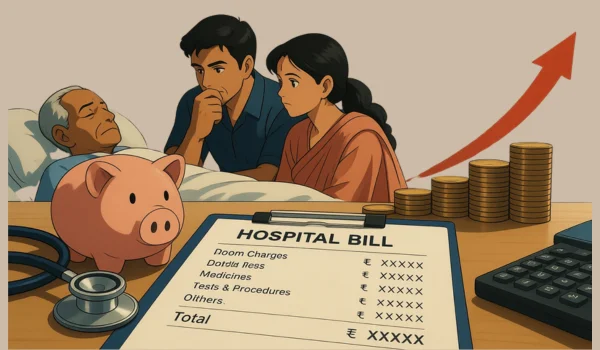
Health insurance policies usually offer different levels of coverage of various medical expenses. However, people need to know what the exact benefits of their health insurance policies are before they make a decision.
Common areas of coverage may include:
- Hospitalisation expenses
- Pre- and post-hospitalisation costs
- Day-care procedures
- Doctor and specialist fees
- Diagnostic tests and medicines, depending on the policy
Some treatments or expenses may have specific limits, waiting periods or exclusions. Reading the policy documents carefully can help avoid surprises when medical treatment is required.
How Do Premiums Work?
The premium is the amount of money that is to be paid in order to maintain an insurance plan. The premium is paid either monthly, quarterly, annually, or according to the payment plan offered by the insurance company.
The premium can depend on several factors, such as:
- Age: Older individuals may generally have higher healthcare-related risks.
- Coverage amount: A higher sum insured can affect the premium.
- Medical history: Existing health conditions may influence policy terms.
- Policy type: Individual and family policies can have different pricing structures.
- Additional benefits: Optional features may increase the overall cost.
Choosing a premium that fits your budget is important, but the lowest premium may not always provide sufficient coverage for your needs.
How Does the Claims Process Work?
The claim refers to the request that you make to the insurance provider in order to cover the expenses related to your illness. Depending on the type of treatment and the hospital, the procedure can be cashless or reimbursement-based.
The general process includes:
- Informing the insurer: Notify the insurer about planned or emergency hospitalisation within the required timeframe.
- Submitting documents: Provide bills, medical reports, prescriptions and other required documents.
- Claim assessment: The insurer reviews the documents and checks whether the treatment falls within the policy coverage.
- Settlement: Once approved, the eligible amount is settled according to the policy terms.
Keeping medical records and bills organised can make the claims process easier.
Conclusion: Preparing for Healthcare Expenses
Medical costs may have an effect on financial planning if one has not prepared for any medical treatments. In order to minimize this risk, health insurance can be used to get financial assistance for eligible health and hospitalization costs. Through learning about premiums, coverage, exclusions, and claims, people can select a suitable insurance plan for themselves.