The fast food business is one of the largest and most dynamic segments of the food service industry. Consumers increasingly prefer quick, affordable, and convenient meal options, making fast food restaurants, takeaway outlets, and delivery kitchens highly popular. From burgers, pizzas, sandwiches, fried chicken, noodles, and wraps to local street-style specialties, fast food businesses serve millions of customers every day.
A fast food business can operate in various formats, including dine-in restaurants, takeaway counters, food trucks, cloud kitchens, franchise outlets, and online delivery services. Entrepreneurs can either develop their own brand or partner with established franchise chains. With the rapid growth of food delivery platforms and digital ordering systems, fast food businesses can now reach a much larger customer base than ever before.
In 2026, the fast food industry continues to expand due to urbanization, busy lifestyles, increasing disposable incomes, and changing eating habits. Mobile ordering apps, digital payment systems, loyalty programs, and social media marketing have further accelerated industry growth. However, entrepreneurs should also evaluate challenges such as intense competition, rising ingredient costs, staffing requirements, and strict food safety regulations before starting this business.
Understanding the advantages and disadvantages of a fast food business helps entrepreneurs determine whether this food service venture aligns with their investment capacity, operational skills, and long-term business goals.
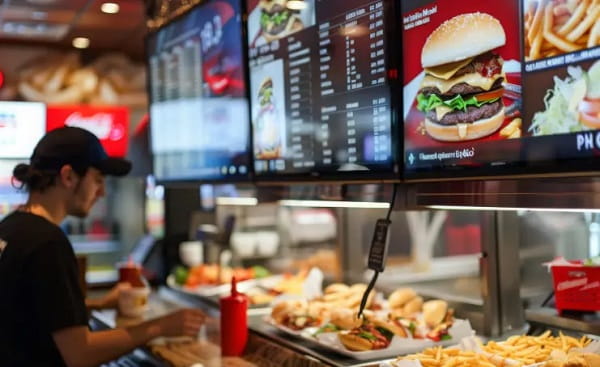
Advantages of a Fast Food Business
1. Strong Consumer Demand
One of the biggest advantages of a fast food business is the consistent demand for quick and convenient meals.
Common customers include:
- Students
- Office workers
- Families
- Tourists
- Delivery customers
- Shoppers
Fast food remains popular across all age groups.
2. Multiple Revenue Streams
A fast food business can generate income from:
- Dine-in services
- Takeaway orders
- Online food delivery
- Catering
- Corporate meal services
- Party orders
- Franchise expansion
Diversified revenue sources improve business stability.
3. High Sales Potential
Busy locations can generate significant daily customer traffic.
Popular locations include:
- Shopping malls
- Commercial areas
- Colleges
- Transport hubs
- Residential neighborhoods
High customer volume increases earning potential.
4. Business Scalability
A successful fast food business can expand by:
- Opening additional outlets
- Launching cloud kitchens
- Franchising the brand
- Introducing packaged food products
- Expanding into new cities
Scalable operations support long-term growth.
5. Brand Recognition Opportunities
Businesses can build strong brands through:
- Consistent food quality
- Attractive packaging
- Social media marketing
- Loyalty programs
- Customer engagement
A recognizable brand attracts repeat customers.
6. Growing Online Delivery Market
Food delivery platforms provide access to customers who prefer home delivery.
Online ordering increases sales without expanding dining space.
7. Menu Flexibility
Fast food businesses can regularly introduce:
- Seasonal items
- Combo meals
- Limited-time offers
- Healthier menu options
- Local specialties
Flexible menus help maintain customer interest.
8. Quick Cash Flow
Fast food businesses typically receive immediate payment from customers.
Daily sales generate regular cash flow that supports business operations.
Disadvantages of a Fast Food Business
1. Strong Market Competition
One of the biggest disadvantages is intense competition.
Competitors include:
- Local restaurants
- International franchise chains
- Food trucks
- Cloud kitchens
- Street food vendors
Businesses should differentiate themselves through quality and service.
2. Rising Ingredient Costs
Prices for raw materials may fluctuate because of:
- Supply chain disruptions
- Seasonal shortages
- Inflation
- Transportation expenses
Higher costs may reduce profit margins.
3. Food Safety Compliance
Fast food businesses must comply with regulations concerning:
- Hygiene
- Food preparation
- Storage
- Employee safety
- Kitchen sanitation
Compliance requires continuous monitoring.
4. Staffing Challenges
Restaurants require employees for:
- Cooking
- Customer service
- Cleaning
- Cash handling
- Delivery coordination
Recruiting and retaining skilled staff can be challenging.
5. High Operating Costs
Operating expenses may include:
- Rent
- Utilities
- Salaries
- Marketing
- Equipment maintenance
- Packaging
Proper financial management is essential.
6. Inventory Management
Businesses should carefully manage:
- Fresh ingredients
- Packaging supplies
- Beverage inventory
- Daily stock levels
Poor inventory control may lead to waste.
7. Customer Expectations
Customers expect:
- Fast service
- Consistent quality
- Affordable prices
- Clean dining areas
Meeting these expectations consistently requires efficient operations.
8. Changing Food Trends
Consumer preferences continue to evolve toward:
- Healthier meals
- Plant-based foods
- Low-calorie options
- Sustainable packaging
Businesses should regularly update their menus.
Tips for Building a Successful Fast Food Business
A successful fast food business depends on quality food and operational efficiency. Consider these practical strategies:
- Choose a high-traffic location.
- Develop a unique menu.
- Maintain strict hygiene standards.
- Train employees regularly.
- Use fresh ingredients.
- Promote your business through digital marketing.
- Partner with food delivery platforms.
- Offer loyalty rewards and combo meals.
- Monitor food costs carefully.
- Encourage customer feedback.
- Continuously improve service quality.
Is a Fast Food Business Profitable?
Yes, a fast food business can be highly profitable because consumer demand for quick-service meals continues to increase. Dine-in sales, takeaway orders, food delivery, catering services, and franchise expansion create multiple revenue opportunities.
Profitability depends on location, menu pricing, food quality, customer satisfaction, inventory management, operational efficiency, marketing, and cost control. Businesses with strong branding and consistent service often achieve sustainable long-term growth.
Conclusion
The fast food business remains one of the most attractive opportunities in the food service industry. Growing urbanization, busy lifestyles, expanding online food delivery, and increasing consumer demand for convenient meals continue to support industry growth in 2026.
Although entrepreneurs must manage challenges such as intense competition, rising ingredient costs, food safety compliance, staffing requirements, high operating expenses, inventory management, customer expectations, and changing food trends, the business offers numerous advantages, including strong consumer demand, multiple revenue streams, high sales potential, business scalability, branding opportunities, growing online delivery markets, menu flexibility, and quick cash flow.
Entrepreneurs who prioritize food quality, operational efficiency, customer satisfaction, and continuous innovation can build a successful and profitable fast food business.
FAQs
Q: What are the main advantages of a fast food business?
A: The main advantages include strong consumer demand, multiple revenue streams, high sales potential, business scalability, branding opportunities, growing online delivery demand, menu flexibility, and quick cash flow.
Q: What are the disadvantages of a fast food business?
A: Common disadvantages include strong competition, rising ingredient costs, food safety compliance, staffing challenges, high operating costs, inventory management, increasing customer expectations, and changing food trends.
Q: Is a fast food business profitable in 2026?
A: Yes, it can be profitable because demand for quick-service meals continues to grow. Profitability depends on location, food quality, pricing strategy, customer satisfaction, inventory management, operational efficiency, and effective marketing.
Q: What food items can be sold in a fast food business?
A: Popular menu items include burgers, pizzas, sandwiches, wraps, fried chicken, noodles, fries, tacos, hot dogs, beverages, desserts, regional snacks, and healthy fast food options.
Q: How much investment is required to start a fast food business?
A: Investment depends on the business model and size. Major expenses include kitchen equipment, shop setup, furniture, food inventory, licensing, branding, staff salaries, marketing, packaging, and working capital.
Q: How can a fast food business attract customers?
A: Businesses can attract customers by offering high-quality food, affordable pricing, combo meals, fast service, online ordering, food delivery, social media marketing, loyalty programs, seasonal promotions, and excellent customer service.
Q: What skills are required to run a successful fast food business?
A: Important skills include food preparation, kitchen management, inventory control, financial planning, customer service, marketing, staff management, food safety compliance, operational management, and business development.