The handmade soap business is one of the fastest-growing opportunities in the personal care and beauty industry. Increasing consumer interest in natural ingredients, organic products, chemical-free skincare, and sustainable lifestyles has created strong demand for handmade soaps. Many customers now prefer personalized skincare products made with natural oils, herbs, essential oils, and eco-friendly ingredients.
A handmade soap business involves creating and selling handcrafted soaps using different formulations and techniques. Entrepreneurs can produce various types of soaps, including herbal soaps, organic soaps, luxury soaps, customized gift soaps, moisturizing soaps, and specialty skincare products. The business can be started on a small scale from home and later expanded into a professional manufacturing and retail brand.
In 2026, the handmade soap industry continues to grow because customers are becoming more aware of skincare ingredients and product quality. Social media platforms, online marketplaces, and direct-to-consumer websites have made it easier for small businesses to reach customers worldwide. Entrepreneurs can also create unique product lines and build strong brand identities through creative packaging and storytelling.
However, starting a handmade soap business requires knowledge of soap-making techniques, ingredient selection, quality control, branding, and marketing. Entrepreneurs should carefully evaluate both the advantages and disadvantages before entering this competitive market.
Understanding the benefits and challenges of a handmade soap business helps entrepreneurs make informed decisions and develop effective strategies for long-term success.
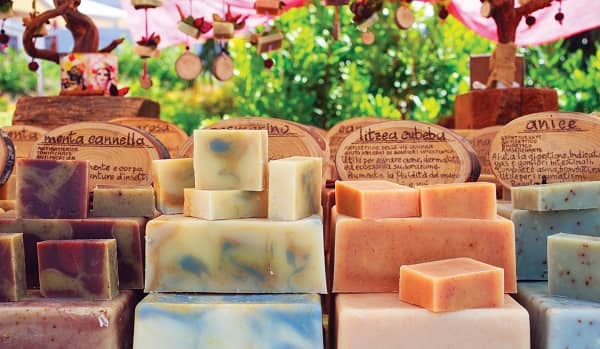
Advantages of a Handmade Soap Business
1. Low Startup Investment
One of the biggest advantages of a handmade soap business is that it can be started with relatively low investment compared to many manufacturing businesses.
Initial requirements may include:
- Soap-making equipment
- Natural ingredients
- Molds and packaging materials
- Labels and branding supplies
- Marketing expenses
Entrepreneurs can start small and expand gradually.
2. Growing Demand for Natural Products
Consumers increasingly prefer skincare products made with:
- Natural ingredients
- Herbal extracts
- Essential oils
- Organic materials
- Sustainable packaging
This growing demand creates excellent market opportunities.
3. Creative Product Opportunities
A handmade soap business allows entrepreneurs to experiment with different products.
Popular options include:
- Lavender soap
- Herbal soap
- Aloe vera soap
- Charcoal soap
- Moisturizing soap
- Luxury gift soaps
Creativity helps businesses differentiate themselves.
4. High Profit Margin Potential
Handmade soaps often have higher profit margins because customers are willing to pay premium prices for:
- Natural formulations
- Unique designs
- Customized products
- Premium packaging
Strong branding can increase profitability.
5. Flexible Business Model
Entrepreneurs can operate through different channels, including:
- Home-based production
- Online stores
- Local markets
- Beauty stores
- Gift shops
- Subscription boxes
Flexible operations make the business accessible.
6. Growing Online Market
Digital platforms provide opportunities to sell handmade soaps beyond local customers.
Businesses can use:
- E-commerce websites
- Social media platforms
- Online marketplaces
- Influencer marketing
Online sales help expand customer reach.
7. Customization Opportunities
Customers often prefer personalized products.
Businesses can offer:
- Customized fragrances
- Special packaging
- Wedding gift soaps
- Corporate gift sets
- Personalized skincare solutions
Customization increases customer loyalty.
8. Eco-Friendly Business Opportunity
Many handmade soap brands focus on sustainability through:
- Natural ingredients
- Plastic-free packaging
- Environment-friendly production methods
Eco-conscious consumers support sustainable brands.
Disadvantages of a Handmade Soap Business
1. Requires Product Knowledge
One of the biggest challenges is learning proper soap-making techniques.
Entrepreneurs need knowledge about:
- Ingredient combinations
- Formulation methods
- Safety procedures
- Skin compatibility
- Product testing
Proper training improves product quality.
2. Strong Competition
The handmade soap market has many competitors, including:
- Small local brands
- Established skincare companies
- Organic product manufacturers
- Online sellers
Businesses need strong branding to stand out.
3. Time-Consuming Production Process
Handmade soap production requires careful attention.
The process may involve:
- Ingredient preparation
- Mixing
- Molding
- Curing
- Packaging
Large orders require efficient production planning.
4. Quality Control Challenges
Maintaining consistent product quality can be difficult.
Businesses must manage:
- Ingredient quality
- Soap texture
- Fragrance consistency
- Product safety
- Packaging standards
Quality issues can affect customer trust.
5. Marketing Difficulties
New businesses often struggle to attract customers.
Successful marketing requires:
- Brand development
- Social media promotion
- Product photography
- Customer education
- Advertising strategies
Marketing expenses may increase over time.
6. Raw Material Cost Fluctuations
Prices of ingredients may change because of:
- Supplier variations
- Market conditions
- Import costs
- Seasonal availability
Changing costs can affect profit margins.
7. Regulatory Requirements
Businesses may need to follow rules related to:
- Product labeling
- Ingredient disclosure
- Safety standards
- Manufacturing practices
Compliance requires proper planning.
8. Limited Production Capacity
Small handmade soap businesses may face challenges with large orders.
Production limitations can affect:
- Delivery timelines
- Customer demand management
- Business expansion
Scaling requires additional resources.
Tips for Building a Successful Handmade Soap Business
A successful handmade soap business depends on product quality, creativity, and customer trust. Consider these practical strategies:
- Learn professional soap-making techniques.
- Use high-quality ingredients.
- Develop unique product formulations.
- Create attractive packaging.
- Build a strong brand identity.
- Promote products through social media.
- Offer sample products to new customers.
- Collect customer reviews and feedback.
- Maintain consistent quality.
- Sell through multiple channels.
- Focus on sustainable packaging.
Is a Handmade Soap Business Profitable?
Yes, a handmade soap business can be profitable because consumers increasingly prefer natural and personalized skincare products. Entrepreneurs can earn income through online sales, retail partnerships, gift packages, customized products, and premium soap collections.
Profitability depends on product quality, pricing strategy, production efficiency, marketing, customer loyalty, and brand reputation. Businesses that create unique products and maintain consistent quality can achieve sustainable growth.
Conclusion
The handmade soap business remains an attractive opportunity in the beauty and personal care industry. Growing demand for natural skincare products, increasing awareness about organic ingredients, expanding online shopping, and interest in sustainable lifestyles continue to support market growth in 2026.
Although entrepreneurs must manage challenges such as product knowledge requirements, strong competition, production time, quality control, marketing difficulties, raw material costs, regulatory requirements, and production limitations, the business offers many advantages, including low startup investment, growing natural product demand, creative opportunities, high profit potential, flexible operations, online market growth, customization options, and eco-friendly business opportunities.
Entrepreneurs who focus on quality ingredients, innovative products, effective branding, and customer satisfaction can build a successful and profitable handmade soap business.
FAQs
Q: What are the main advantages of a handmade soap business?
A: The main advantages include low startup investment, growing demand for natural products, creative opportunities, high profit potential, flexible business models, online selling opportunities, customization options, and eco-friendly business possibilities.
Q: What are the disadvantages of a handmade soap business?
A: Common disadvantages include the need for product knowledge, strong competition, time-consuming production, quality control challenges, marketing difficulties, raw material cost changes, regulatory requirements, and limited production capacity.
Q: Is a handmade soap business profitable in 2026?
A: Yes, it can be profitable because demand for natural skincare products continues to increase. Profitability depends on product quality, branding, pricing, marketing, customer loyalty, and efficient production management.
Q: What products can be sold in a handmade soap business?
A: Common products include herbal soaps, organic soaps, moisturizing soaps, luxury soaps, charcoal soaps, essential oil soaps, customized gift soaps, skincare bundles, and specialty soaps.
Q: How much investment is required to start a handmade soap business?
A: Investment depends on the scale of operations. Major expenses include ingredients, equipment, molds, packaging materials, branding, licensing, marketing, storage, and online selling setup.
Q: How can a handmade soap business attract customers?
A: Businesses can attract customers through unique product designs, high-quality ingredients, attractive packaging, social media marketing, influencer collaborations, online stores, customer reviews, sample offers, and personalized products.
Q: What skills are required to run a successful handmade soap business?
A: Important skills include soap formulation, product testing, quality control, creativity, branding, marketing, customer service, financial planning, inventory management, and business development.