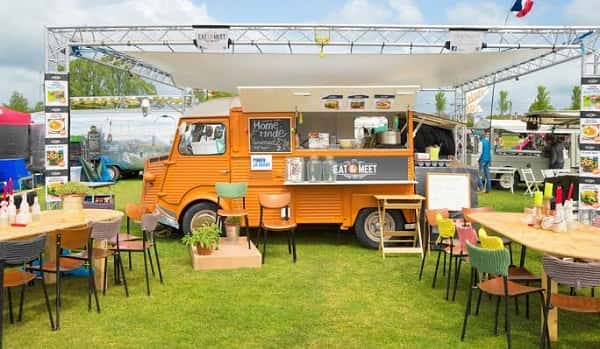
The food truck business has become one of the most exciting and profitable opportunities in the food service industry. Unlike traditional restaurants, food trucks offer mobility, lower startup costs, and the flexibility to serve customers at different locations. From gourmet burgers and tacos to coffee, desserts, regional specialties, and healthy meals, food trucks cater to a wide variety of customer preferences while creating a unique dining experience.
A food truck business operates from a specially designed vehicle equipped with cooking appliances, food storage, refrigeration, and serving counters. Entrepreneurs can sell food at busy streets, office complexes, schools, parks, tourist attractions, festivals, sporting events, and private functions. Many food truck owners also partner with businesses and event organizers to provide catering services, increasing their revenue opportunities.
In 2026, the food truck industry continues to grow because consumers seek affordable, convenient, and high-quality food options. Social media marketing, food delivery apps, and digital payment systems have further improved the visibility and accessibility of food truck businesses. However, entrepreneurs should also evaluate challenges such as licensing requirements, weather dependency, parking restrictions, equipment maintenance, and strong competition before entering this industry.
Understanding the advantages and disadvantages of a food truck business helps entrepreneurs determine whether this flexible food service model aligns with their investment capacity, operational expertise, and long-term business goals.
Advantages of a Food Truck Business
1. Lower Startup Costs
One of the biggest advantages of a food truck business is that it generally requires less investment than opening a traditional restaurant.
Major savings include:
- Lower rental expenses
- Smaller staff requirements
- Reduced utility costs
- Limited interior construction
This makes the business accessible to many entrepreneurs.
2. Mobility and Flexible Locations
A food truck can operate at different locations depending on customer demand.
Popular locations include:
- Business districts
- Parks
- Shopping areas
- Festivals
- College campuses
- Tourist attractions
- Corporate events
- Sports venues
Mobility allows businesses to reach more customers.
3. Growing Consumer Demand
Customers increasingly enjoy street food and quick-service dining because it is:
- Affordable
- Convenient
- Freshly prepared
- Unique
Changing food preferences continue to support market growth.
4. Multiple Revenue Streams
A food truck business can generate income through:
- Daily food sales
- Event catering
- Corporate functions
- Weddings
- Private parties
- Food festivals
- Online food delivery
Diversified revenue sources improve financial stability.
5. Easy Business Scalability
A successful food truck business can expand by:
- Adding more trucks
- Opening a permanent restaurant
- Franchising the brand
- Introducing packaged food products
- Expanding into new cities
Scalable growth creates long-term opportunities.
6. Strong Branding Opportunities
Creative truck designs and unique menus help businesses build a recognizable brand.
Social media platforms also make it easier to promote:
- Daily locations
- New menu items
- Customer reviews
- Promotional offers
Strong branding attracts repeat customers.
7. Direct Customer Interaction
Food truck owners interact directly with customers, making it easier to:
- Receive feedback
- Build loyalty
- Improve menu offerings
- Create a personalized dining experience
Customer relationships contribute to long-term success.
8. Menu Flexibility
Food truck operators can quickly update their menus based on:
- Customer preferences
- Seasonal ingredients
- Food trends
- Local demand
Flexibility helps businesses stay competitive.
Disadvantages of a Food Truck Business
1. Licensing and Regulatory Requirements
One of the biggest disadvantages is complying with food safety and local regulations.
Businesses may require:
- Food licenses
- Health inspections
- Vehicle permits
- Parking permissions
- Business registration
Compliance requires ongoing attention.
2. Weather Dependency
Heavy rain, extreme heat, or storms may reduce customer traffic.
Weather conditions can directly affect daily sales.
3. Limited Space
Food trucks have restricted space for:
- Cooking
- Storage
- Refrigeration
- Staff movement
Efficient space management is essential.
4. Equipment Maintenance
Businesses should regularly maintain:
- Cooking appliances
- Refrigeration units
- Generators
- Electrical systems
- Vehicle engines
Unexpected repairs may interrupt operations.
5. Parking Restrictions
Some cities have designated areas or restrictions for food truck operations.
Finding profitable locations may require planning and permits.
6. Strong Competition
Competition comes from:
- Restaurants
- Cafes
- Street food vendors
- Other food trucks
- Food delivery services
Businesses should differentiate themselves through food quality and customer experience.
7. Inventory Management
Food businesses should carefully manage:
- Fresh ingredients
- Beverage supplies
- Packaging materials
- Daily stock levels
Proper inventory control minimizes waste.
8. Seasonal Demand
Sales may increase during festivals and outdoor events but decline during off-seasons or periods of unfavorable weather.
Diversifying revenue through catering and delivery helps reduce seasonal risks.
Tips for Building a Successful Food Truck Business
A successful food truck business depends on food quality and customer satisfaction. Consider these practical strategies:
- Develop a unique menu.
- Choose high-traffic locations.
- Maintain excellent food hygiene.
- Use fresh ingredients.
- Promote your business on social media.
- Offer digital payment options.
- Participate in local events and festivals.
- Build customer loyalty programs.
- Monitor food costs regularly.
- Deliver excellent customer service.
- Continuously improve menu offerings based on customer feedback.
Is a Food Truck Business Profitable?
Yes, a food truck business can be profitable because startup costs are generally lower than those of traditional restaurants while demand for convenient dining continues to grow. Daily food sales, catering services, event participation, and online delivery create multiple revenue opportunities.
Profitability depends on location selection, menu pricing, food quality, customer satisfaction, marketing, operational efficiency, and inventory management. Businesses with strong branding and loyal customers often achieve sustainable long-term growth.
Conclusion
The food truck business remains one of the most attractive opportunities in the food service industry. Growing consumer demand for convenient meals, expanding event catering opportunities, increasing outdoor dining culture, and strong social media engagement continue to support industry growth in 2026.
Although entrepreneurs must manage challenges such as licensing requirements, weather dependency, limited operating space, equipment maintenance, parking restrictions, strong competition, inventory management, and seasonal demand, the business offers numerous advantages, including lower startup costs, mobility, growing customer demand, multiple revenue streams, business scalability, strong branding opportunities, direct customer interaction, and menu flexibility.
Entrepreneurs who prioritize food quality, operational efficiency, customer service, and creative marketing can build a successful and profitable food truck business.
FAQs
Q: What are the main advantages of a food truck business?
A: The main advantages include lower startup costs, mobility, growing consumer demand, multiple revenue streams, business scalability, strong branding opportunities, direct customer interaction, and menu flexibility.
Q: What are the disadvantages of a food truck business?
A: Common disadvantages include licensing requirements, weather dependency, limited operating space, equipment maintenance, parking restrictions, strong competition, inventory management challenges, and seasonal demand.
Q: Is a food truck business profitable in 2026?
A: Yes, it can be profitable because it requires lower investment than many traditional restaurants and serves a growing market. Profitability depends on location, food quality, pricing strategy, customer satisfaction, marketing, and operational efficiency.
Q: What food items can be sold from a food truck?
A: Popular menu options include burgers, sandwiches, pizza, tacos, wraps, biryani, noodles, coffee, tea, desserts, ice cream, smoothies, regional specialties, healthy meals, and beverages.
Q: How much investment is required to start a food truck business?
A: Investment depends on the truck size, equipment, and menu. Major expenses include purchasing or modifying the vehicle, kitchen equipment, refrigeration, licensing, branding, inventory, insurance, marketing, and working capital.
Q: A: How can a food truck business attract customers?
A: Businesses can attract customers by choosing busy locations, maintaining high food quality, offering unique menu items, promoting on social media, participating in local events, providing loyalty programs, accepting digital payments, partnering with food delivery platforms, and delivering excellent customer service.
Q: What skills are required to run a successful food truck business?
A: Important skills include food preparation, inventory management, customer service, financial planning, marketing, vehicle maintenance coordination, food safety compliance, operational management, menu development, and business growth strategy.