Investors have traditionally perceived silver as a quieter counterpart of gold. While they did pay attention to silver, only a small section of investors considered it as a core part of their investment strategy. In 2026, this perception is undergoing a change.
Silver might be a precious metal, but investors have other reasons, too, behind their interest in this asset. The industrial demand for silver is rising, and retail investors now enjoy easy access to the metal.
Read on to understand why silver appeals as an asset, and why it is worth examining more closely.
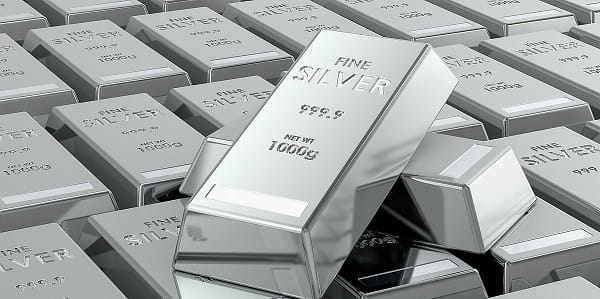
Why silver is no longer just a precious metal
The position of silver in the global economy defines its growing popularity. Gold is primarily used for investment and jewellery. However, silver serves both as a precious metal and an industrial resource. The metal has exceptional conductivity and durability. Some of the advanced manufacturing sectors using silver include solar panels, EVs, consumer electronics, and medical equipment.
What is driving investor interest in silver in 2026?
At a time when investments in clean energy and digital infrastructure are on the rise, the demand for silver continues to expand.
-
Strong industrial demand
One of the strongest factors driving the interest in silver is the strong industrial demand. Today, the world is moving towards renewable energy. The need for silver has witnessed a significant spike, particularly in the generation of solar power.
-
Adoption of electric vehicles
EVs, smart devices, and advanced electronics are being rapidly adopted all over the world. Silver is different from other commodities that depend solely on a single industry. The previous metal benefits from the growth of multiple sectors.
-
Wide range of applications
Investors feel confident with silver as the demand doesn’t come purely from market sentiment. There are real-world applications backing this demand, and these applications are becoming increasingly essential to modern economies.
-
Supply is not keeping up
The demand for silver continues to rise. However, the supply of the precious metal has struggled to keep pace. Today, mining production faces challenges like rising costs of extrusion, declining ore grades, and limited development of new projects.
Also, it is not viable to increase the production of silver like some other commodities. The reason is, a significant portion of global silver output comes as a by-product of mining other metals. This limits the speed at which supply can be increased in response to the rising demand for the metal.
Why investors are tracking prices before buying
Today, conscious investors are monitoring trends in silver prices before deciding when to invest. It’s important to consider the role of regional pricing of the metal. For instance, you may compare silver rates in Kolkata today with prices in other cities. This will help you understand how local fluctuations in price can create buying opportunities.
When you regularly track silver rates, you may be able to track broader trends in the market. This approach can help you understand how economic conditions influence prices.
Conclusion
As an investor, you may consider including silver as a part of a diversified investment strategy. While it should not be the core asset, it should balance stocks, bonds, mutual funds, or other elements of your portfolio. Also, check out the best stocks, mutual funds, or bonds based on silver to gain exposure to the metal.
A disciplined approach to investing in silver with a long-term perspective can help you capitalise on the growth trajectory of this precious metal. As investment preferences continue to evolve, silver deserves a closer look for investors looking to balance growth and opportunities.