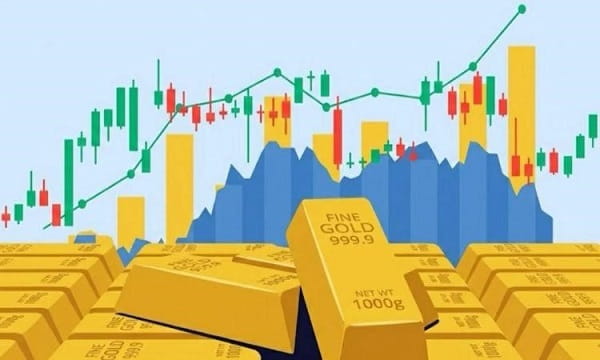
Buying gold has always been a way for families in India to feel secure about their future, but the way we hold that gold is shifting from heavy lockers to digital accounts. When you hold your gold in the form of an exchange-traded fund, it feels a lot like owning shares in a company where you can see the price change every minute on your screen. This shift makes things cleaner because you do not have to worry about the metal’s purity or where to hide it, but it also means you have to think about how the government views those profits. The rules for a paper version of gold are not exactly the same as the ones for a gold bangle or a coin you keep at home. When it is time to sell, you want to know exactly how much of that gain will actually stay in your pocket.
How Time Changes The Way Your Gains Are Treated
The amount of tax you pay depends almost entirely on how long you decide to hold onto your investment before selling it. If you keep your units for a shorter period, which the tax department defines as twelve months or less, the profit is considered a short-term gain. In this case, the money you make is just added to your total income for the year and taxed at whatever rate applies to you based on your total earnings. It is a very simple system where someone in a lower tax bracket might pay very little, while someone earning a lot could pay a significant portion. On the other hand, if you hold your units for more than one year, it becomes a long-term gain. This is where the rules have been updated recently, since the old benefits that adjusted for inflation are mostly gone now.
The Flat Rate For Long-Term Holdings
For anyone holding their investment for more than a year, the tax on gold ETF is now a flat rate of 12.5% on the profit you made. This is a bit of a change from how things worked in the past, but it makes the calculation much faster since you no longer have to deal with complex inflation numbers. It is quite straightforward because if you bought something for a certain price and sold it for more a year later, you just set aside that percentage of the difference. Appreciate Wealth focuses on making this kind of financial information clear so people can plan their savings without getting lost in the paperwork.
If you just let the investment sit there and grow, you do not owe any tax at all, which is why many people prefer to hold onto their gold for many years. There are also small charges, like brokerage and exchange fees, when you trade, but they are usually quite small compared to the cost of making physical jewellery. Sometimes people forget that, even though digital gold feels like a different world, the underlying asset is still the same precious metal valued for centuries. The only real difference is that the taxman sees it as a financial instrument rather than a personal possession.
When planning your year, it is a good idea to keep a record of when you bought each batch of units, so you do not accidentally sell them a few days before the one-year mark. Crossing that twelve-month line can make a noticeable difference in the final amount you get to keep, especially if your income puts you in a higher tax bracket.