A genuine customer gets declined while a fraudster’s order sails through. Both outcomes often trace back to the same gap: the checkout system knew almost nothing about the card in front of it beyond whether the number was formatted correctly.
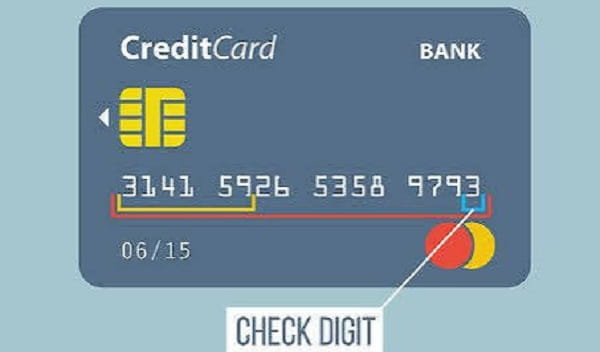
The first six to eight digits of any card number carry more than most businesses use. Read at the moment a card is entered, they tell you which bank issued it, which network it runs on, whether it is credit, debit or prepaid, and which country it came from. That block is the Bank Identification Number, and the businesses that pay attention to it tend to approve more good orders and stop more bad ones.
Where the BIN comes from
The structure is not proprietary. It follows ISO/IEC 7812, the international standard for issuer identification numbers, which is why the same opening digits map to the same issuer wherever the card is used. A short lookup against a current BIN database turns those digits into readable attributes: brand, funding type, issuing bank, and country of origin.
Fewer false declines and sharper screening
The most expensive fraud decision most merchants make is not letting a bad order through. It is turning away a good one. False declines cost far more in lost sales than the fraud they were trying to prevent, and card attributes are one of the better tools for reducing them.
A card issued abroad is a common trigger for an over-cautious filter, yet plenty of real customers travel or live outside the country where they shop. Knowing the card’s country, type and issuer lets a business weigh that context instead of reacting to it in isolation.
The team at BIN Lookup API told us that most false declines come from treating every mismatch as a threat. “A card issued in another country is not fraud on its own,” they said. “What matters is reading the card’s country, type and issuer alongside the rest of the order, so a real customer overseas isn’t turned away while genuinely odd combinations still get a second look.”
That combination approach is the difference between a blunt rule and a useful signal. A prepaid card on a large first-time order, or a commercial card where a consumer one is expected, means more when you can see it clearly.
Routing payments more sensibly
Card attributes also affect cost. Interchange and approval rates vary by card brand, funding type and issuing region, so knowing what a card is before the transaction is submitted lets a business route it down the path most likely to approve, or the one that carries the lower fee.
Consider a business that processes through two acquirers, one stronger on domestic Visa debit and one with better rates on international credit. Without any read on the card, every transaction takes the same default route. With the BIN resolved at entry, domestic debit can go one way and a foreign-issued credit card another. On a single order the saving is trivial. Across a year of transactions it adds up, and the same logic improves approval rates on cross-border payments that a single default processor tends to decline.
A smoother checkout
The customer-facing benefit is simpler. Detect the brand as the number is typed and you can show the correct card logo, apply the right validation for formats that use a different length or security code, and catch obvious entry mistakes before the customer hits pay. Fewer errors at the final step means fewer abandoned baskets.
Starting without rebuilding checkout
None of this requires a payments overhaul. A business can begin by simply recording the BIN attributes for orders it already receives and reviewing them against outcomes: which card countries show up on chargebacks, how often a declined order came from a card the filter misread, which issuers dominate the customer base. That evidence usually points to one or two rules worth changing before any deeper work is considered. The data is already arriving at checkout. The question is whether anything is being done with it.
What BIN data cannot do
BIN data is context, not a verdict. It does not identify the cardholder, confirm they authorized the purchase, or replace a full fraud stack. Stronger checks such as 3-D Secure, maintained by EMVCo, still do the authentication work. A lookup is also only as accurate as the database behind it, so freshness matters when banks issue and retire ranges.
Used for what it is, though, BIN data turns the opening digits of a card number, something every checkout already collects, into information a business can act on. For most merchants that is the cheapest approval and fraud signal they are not yet using.