The flower business is one of the most vibrant and rewarding ventures in the agriculture and retail sectors. Flowers are used for celebrations, religious ceremonies, weddings, corporate events, home decoration, hospitality, gifting, and landscaping. Because fresh flowers remain an important part of many cultural and social occasions, the demand for floral products continues throughout the year.
A flower business can operate in several forms, including flower farming, wholesale trading, retail flower shops, floral decoration services, bouquet creation, online flower delivery, event decoration, and flower exports. Entrepreneurs may specialize in fresh-cut flowers, ornamental plants, exotic flowers, dried flowers, or customized floral arrangements. The growing popularity of online gifting and same-day delivery services has further expanded business opportunities in this industry.
In 2026, the flower industry continues to grow due to rising disposable incomes, increasing demand for personalized gifts, expanding event management services, and the growth of e-commerce platforms. Consumers increasingly purchase flowers for birthdays, anniversaries, festivals, weddings, and corporate events. However, entrepreneurs should also evaluate challenges such as product perishability, seasonal demand, transportation requirements, and inventory management before entering this business.
Understanding the advantages and disadvantages of a flower business helps entrepreneurs determine whether this creative and customer-focused venture aligns with their investment capacity, operational expertise, and long-term business goals.
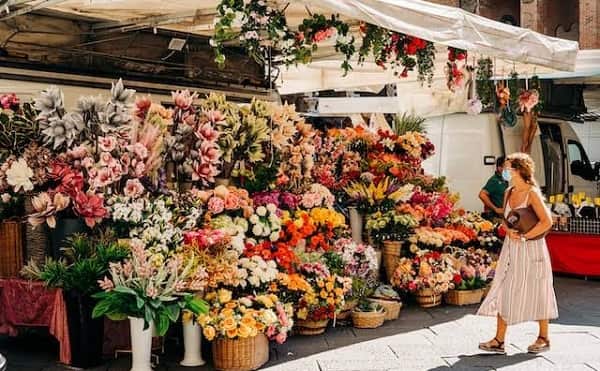
Advantages of a Flower Business
1. Consistent Market Demand
One of the biggest advantages of a flower business is the steady demand for floral products.
Common customers include:
- Households
- Wedding planners
- Hotels
- Event organizers
- Religious institutions
- Corporate offices
- Gift buyers
- Florists
Flowers are required for many personal and professional occasions.
2. Multiple Revenue Streams
A flower business can generate income from:
- Fresh flower sales
- Bouquets
- Floral decorations
- Wedding arrangements
- Event decoration
- Corporate contracts
- Online flower delivery
- Flower subscriptions
Diversified services increase earning potential.
3. Growing Online Sales
Online ordering has transformed the flower industry.
Businesses can accept orders through:
- Company websites
- Mobile apps
- Online marketplaces
- Social media platforms
Home delivery services improve customer convenience.
4. Business Scalability
A successful flower business can expand by:
- Opening additional retail stores
- Entering wholesale markets
- Launching nationwide delivery
- Exporting flowers
- Offering floral training workshops
Scalable operations support long-term growth.
5. Creative Business Opportunities
Entrepreneurs can create unique products such as:
- Luxury bouquets
- Personalized floral gifts
- Floral gift baskets
- Decorative arrangements
- Corporate floral designs
Creativity helps businesses stand out.
6. High Demand During Special Occasions
Sales often increase during:
- Weddings
- Festivals
- Valentine’s Day
- Mother’s Day
- Birthdays
- Anniversaries
- Corporate events
Seasonal peaks create significant revenue opportunities.
7. Opportunities for Premium Products
Businesses can sell:
- Exotic flowers
- Imported flowers
- Organic flowers
- Luxury floral arrangements
- Designer bouquets
Premium products often command higher prices.
8. Strong Customer Relationships
Customers frequently return for recurring events and celebrations.
Excellent service encourages:
- Repeat purchases
- Referrals
- Long-term loyalty
Disadvantages of a Flower Business
1. Perishable Inventory
One of the biggest disadvantages is that fresh flowers have a short shelf life.
Poor inventory management may lead to:
- Spoilage
- Financial losses
- Increased waste
Efficient stock rotation is essential.
2. Seasonal Demand
Although flowers sell throughout the year, demand often peaks during specific events and festivals.
Sales may fluctuate during slower periods.
3. Cold Storage Requirements
Fresh flowers require controlled storage conditions to maintain quality.
Cold storage facilities increase operating expenses.
4. Transportation Challenges
Flowers must be transported carefully to avoid:
- Physical damage
- Wilting
- Quality deterioration
Reliable logistics are critical.
5. Price Fluctuations
Flower prices can change because of:
- Seasonal production
- Weather conditions
- Transportation costs
- Market demand
Price volatility may affect profitability.
6. Strong Competition
Competition comes from:
- Local florists
- Online flower delivery companies
- Supermarkets
- Garden centers
- Wholesale flower markets
Businesses should differentiate themselves through quality and service.
7. Skilled Floral Design Requirements
Creating attractive bouquets and floral arrangements requires creativity and practical skills.
Training and experience improve product quality.
8. Inventory Planning
Businesses should accurately forecast customer demand to avoid:
- Overstocking
- Product shortages
- Unnecessary waste
Effective planning supports profitability.
Tips for Building a Successful Flower Business
A successful flower business depends on freshness, creativity, and customer satisfaction. Consider these practical strategies:
- Source flowers from reliable growers.
- Maintain proper cold storage.
- Offer customized floral arrangements.
- Expand through online ordering.
- Deliver orders promptly.
- Use attractive packaging.
- Build relationships with event planners.
- Promote your business on social media.
- Introduce subscription services for regular customers.
- Monitor seasonal trends and customer preferences.
- Maintain excellent customer service.
Is a Flower Business Profitable?
Yes, a flower business can be highly profitable because flowers remain an essential part of celebrations, gifting, and event decoration. Retail sales, wedding contracts, corporate orders, floral subscriptions, online delivery, and premium arrangements create multiple revenue opportunities.
Profitability depends on product freshness, inventory management, supplier relationships, pricing strategy, customer satisfaction, marketing, and operational efficiency. Businesses that consistently provide high-quality floral products often build loyal customers and achieve sustainable long-term growth.
Conclusion
The flower business remains one of the most attractive opportunities in the retail and agriculture industries. Increasing demand for personalized gifts, expanding online flower delivery services, growing event management businesses, and rising consumer spending continue to support industry growth in 2026.
Although entrepreneurs must manage challenges such as perishable inventory, seasonal demand, cold storage requirements, transportation challenges, price fluctuations, strong competition, skilled floral design requirements, and inventory planning, the business offers numerous advantages, including consistent market demand, multiple revenue streams, growing online sales, business scalability, creative opportunities, seasonal sales growth, premium product options, and strong customer relationships.
Entrepreneurs who prioritize product freshness, creative floral designs, efficient inventory management, and outstanding customer service can build a successful and profitable flower business.
FAQs
Q: What are the main advantages of a flower business?
A: The main advantages include consistent market demand, multiple revenue streams, growing online sales, business scalability, creative opportunities, strong seasonal demand, premium product offerings, and long-term customer relationships.
Q: What are the disadvantages of a flower business?
A: Common disadvantages include perishable inventory, seasonal demand fluctuations, cold storage requirements, transportation challenges, price fluctuations, strong competition, skilled floral design requirements, and inventory planning challenges.
Q: Is a flower business profitable in 2026?
A: Yes, it can be profitable because flowers are widely used for celebrations, gifting, and events. Profitability depends on product freshness, customer satisfaction, supplier management, pricing strategy, inventory control, and effective marketing.
Q: What products can be sold in a flower business?
A: Common products include fresh flowers, bouquets, floral baskets, wedding decorations, event floral arrangements, ornamental plants, dried flowers, flower subscriptions, corporate floral displays, and personalized floral gifts.
Q: How much investment is required to start a flower business?
A: Investment depends on the business model and scale. Major expenses include shop setup, refrigeration equipment, flower inventory, packaging materials, transportation, marketing, licensing, online ordering systems, and working capital.
Q: How can a flower business attract customers?
A: Businesses can attract customers by offering fresh flowers, customized bouquets, online ordering, same-day delivery, attractive packaging, seasonal promotions, loyalty programs, social media marketing, event partnerships, and excellent customer service.
Q: What skills are required to run a successful flower business?
A: Important skills include floral design, inventory management, supplier relationship management, customer service, marketing, financial planning, event coordination, quality control, operational management, and business development.