Choosing the right motor insurance policy is an important decision for every vehicle owner in India. Whether you own a car, motorcycle, or scooter, insurance provides financial protection against certain risks associated with road accidents, theft, and damage to property. However, not all motor insurance policies offer the same level of protection. Two common options are third-party insurance and comprehensive motor insurance, and understanding their differences can help you select suitable coverage.
Third-party insurance is legally mandatory for vehicles used in public places in India, whereas comprehensive insurance is optional. While third-party coverage protects against specified legal liabilities towards other people, comprehensive insurance generally combines this protection with coverage for damage to your own vehicle. The right choice depends on your vehicle’s value, usage, age, budget, and financial protection requirements.
What Is Third-Party Motor Insurance?
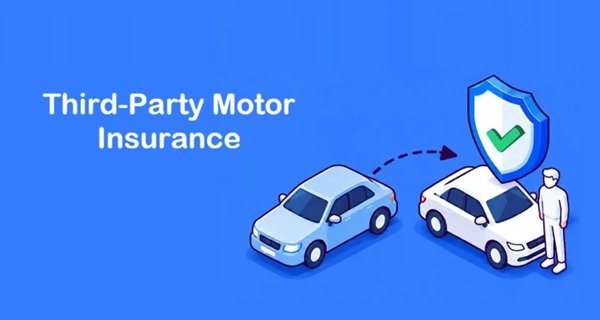
Third-party motor insurance is a policy that covers the vehicle owner’s legal liability for injury, death, or property damage caused to another person through the insured vehicle, subject to applicable law and policy conditions.
Under Section 146 of the Motor Vehicles Act, 1988, valid third-party insurance is compulsory for motor vehicles used in public places in India.
For example, if your car accidentally hits another person’s vehicle and causes damage, your third-party insurance may cover the eligible liability towards the affected vehicle owner.
What Does Third-Party Insurance Cover?
Third-party motor insurance generally provides the following protection:
- Third-Party Bodily Injury: Covers eligible legal liabilities arising from injuries caused to another person.
- Third-Party Death: Provides coverage for compensation payable in qualifying cases involving the death of another person.
- Third-Party Property Damage: Covers eligible damage caused to another person’s property, subject to the applicable policy limit.
- Legal Liability: Provides financial protection against covered third-party claims arising from the use of the insured vehicle.
However, third-party insurance does not cover damage to the policyholder’s own vehicle. It also does not automatically cover the owner’s personal medical expenses.
What Is Comprehensive Motor Insurance?
Comprehensive motor insurance is a policy that generally combines mandatory third-party liability coverage with protection against specified damage to the insured vehicle.
It is designed for vehicle owners who want broader financial protection against risks such as accidents, theft, fire, and natural disasters.
For example, if your insured car is damaged in a road accident, a comprehensive policy may cover eligible repair expenses after applying deductibles, depreciation, and other policy conditions.
What Does Comprehensive Insurance Cover?
A comprehensive motor insurance policy generally includes:
Third-Party Liability: Covers eligible legal liabilities arising from injury, death, or property damage caused to another person.
Own-Damage Protection: Covers specified damage to your own vehicle caused by insured events.
Accidental Damage: Provides coverage for eligible repair expenses resulting from road accidents and collisions.
Theft Protection: Covers the insured vehicle if it is stolen, subject to policy conditions and required documentation.
Fire and Explosion: Covers specified losses caused by fire, explosions, or self-ignition.
Natural Disasters: May cover damage caused by floods, storms, cyclones, earthquakes, and other insured natural events.
Man-Made Events: May cover certain losses resulting from riots, strikes, vandalism, and malicious acts, subject to exclusions.
The actual protection depends on the policy wording, deductibles, exclusions, and insured declared value.
Third-Party vs. Comprehensive Motor Insurance: Key Differences
The following table highlights the major differences between these two insurance options.
| Basis | Third-Party Insurance | Comprehensive Insurance |
| Legal Requirement | Mandatory | Optional |
| Third-Party Liability | Covered | Covered |
| Own-Vehicle Damage | Not covered | Covered for insured events |
| Theft Protection | Not covered | Generally covered |
| Fire Damage | Not covered for own vehicle | Generally covered |
| Natural Disasters | Not covered for own vehicle | Generally covered |
| Premium | Usually lower | Usually higher |
| Financial Protection | Limited to third-party liability | Broader protection |
| Add-On Benefits | Generally not available for own-damage protection | Various add-ons may be available |
The main difference is that third-party insurance protects against specified liabilities towards others, while comprehensive insurance also provides financial protection for damage to the insured vehicle.
Which Motor Insurance Policy Is More Expensive?
Third-party insurance generally has a lower premium because it provides limited coverage. Its premium for private cars and two-wheelers is determined according to applicable regulatory rates and vehicle-related factors.
Comprehensive insurance usually costs more because it includes own-damage protection in addition to third-party liability coverage.
The premium for comprehensive insurance depends on several factors:
- Vehicle Age: Older vehicles generally have a lower insured declared value (IDV).
- Vehicle Model: The make, model, and engine capacity influence insurance costs.
- Location: The place where the vehicle is registered can affect the premium.
- IDV: A higher insured declared value generally results in a higher own-damage premium.
- Add-Ons: Optional benefits increase the overall premium.
- No Claim Bonus: Eligible policyholders may receive a discount on the own-damage premium for claim-free years.
Important Add-Ons Available With Comprehensive Insurance
Vehicle owners can enhance their comprehensive policies through optional add-ons. Some popular choices include:
Zero Depreciation Cover: Reduces depreciation deductions on eligible replaced parts during an approved claim, subject to policy conditions.
Engine Protection Cover: Covers specified engine-related damage, including certain water-ingress incidents, if included in the add-on.
Roadside Assistance: Provides support for breakdowns, towing, battery problems, and other roadside emergencies.
Return to Invoice Cover: May cover the difference between the vehicle’s insured declared value and its original invoice value in specified total-loss or theft situations.
Consumables Cover: Covers eligible consumables, such as engine oil, nuts, bolts, and certain small parts, during approved repairs.
These add-ons are not automatically included in every comprehensive policy. Check their terms, limits, and exclusions before purchasing.
How to Choose Between Third-Party and Comprehensive Insurance
The right policy depends on your vehicle’s age, market value, usage, and financial situation.
Choose third-party insurance if:
- You want to meet the mandatory legal requirement at a lower premium.
- Your vehicle has a relatively low market value.
- You can manage the cost of repairing your own vehicle.
- You primarily need protection against third-party legal liabilities.
Consider comprehensive insurance if:
- You own a new or expensive vehicle.
- Your vehicle is frequently used for daily commuting.
- You want protection against theft and accidental damage.
- Repair or replacement costs could create a significant financial burden.
- You prefer broader protection against insured risks.
For older vehicles, compare the annual own-damage premium with the vehicle’s current market value before deciding whether comprehensive coverage remains worthwhile.
How Does the Motor Insurance Claim Process Work?
The claim process depends on the type of policy and the nature of the incident.
For a third-party accident, inform the insurer and report the incident to the police where required. The claim is handled according to the applicable legal process, including proceedings before the Motor Accident Claims Tribunal where relevant.
For an own-damage claim under comprehensive insurance, the general process is:
- Inform the insurer promptly after the accident or damage.
- Submit the required claim details and supporting documents.
- Arrange a vehicle inspection or survey if required.
- Obtain approval before proceeding with repairs, where applicable.
- Get the vehicle repaired at an eligible garage.
- Pay applicable deductibles and non-covered expenses.
For theft or major accidents, police reports and additional documentation may be necessary.
Conclusion
Third-party and comprehensive motor insurance serve different purposes. Third-party insurance is legally mandatory in India and protects vehicle owners against specified liabilities towards other people. Comprehensive insurance provides broader protection by combining third-party liability with own-damage coverage for insured events such as accidents, theft, fire, and natural disasters.
If you own a new, expensive, or frequently used vehicle, comprehensive insurance may provide more meaningful financial protection. However, third-party insurance may be sufficient for some owners of older, lower-value vehicles. Compare premiums, coverage limits, deductibles, and exclusions before selecting a policy.
Frequently Asked Questions (FAQs)
Q. Is comprehensive motor insurance compulsory in India?
No. Comprehensive motor insurance is optional. However, third-party insurance is mandatory for motor vehicles used in public places under the Motor Vehicles Act, 1988.
Q. Which is cheaper: third-party or comprehensive insurance?
Third-party insurance is generally cheaper because it covers specified third-party liabilities but does not protect the policyholder’s own vehicle against damage.
Q. Does comprehensive insurance cover vehicle theft?
Yes. Comprehensive policies generally cover theft of the insured vehicle, subject to policy conditions, exclusions, and required documentation.
Q. Can I buy third-party insurance without comprehensive coverage?
Yes. You can purchase standalone third-party insurance to meet the legal requirement without buying own-damage coverage.
Q. Does comprehensive insurance cover accidental damage to my own car?
Generally, yes. It covers eligible accidental damage, subject to deductibles, exclusions, depreciation, and other policy conditions.
Q. Can I switch from third-party to comprehensive insurance?
Yes. You can purchase a suitable comprehensive policy or standalone own-damage cover while maintaining valid third-party insurance. The insurer may inspect the vehicle before providing own-damage coverage.
Q. Is comprehensive insurance worth buying for an old car?
It depends on the car’s current market value, repair costs, premium, and your financial capacity. Compare the cost of coverage with the potential financial loss before deciding.