Vehicle insurance is an essential requirement for anyone who owns or drives a motor vehicle in India. Apart from protecting vehicle owners against financial losses caused by accidents, theft, and other insured events, motor insurance also fulfils an important legal obligation. Under the Motor Vehicles Act, 1988, vehicles used in public places must have valid third-party insurance coverage. Driving without the required insurance can result in fines and other legal consequences.
However, many vehicle owners are unsure whether comprehensive insurance is compulsory, what happens when a policy expires, and how much they may have to pay for driving without insurance. Understanding the relevant provisions of the Motor Vehicles Act, 1988, and the penalties under its amended provisions can help vehicle owners remain legally compliant and financially protected.
Is Vehicle Insurance Mandatory in India?
Yes. Under Section 146 of the Motor Vehicles Act, 1988, it is mandatory for a motor vehicle used in a public place to have an insurance policy that complies with the legal requirements for third-party risks.
This means vehicle owners must maintain valid third-party insurance for vehicles such as:
- Cars and private vehicles.
- Motorcycles and scooters.
- Commercial vehicles.
- Goods-carrying vehicles.
- Passenger transport vehicles.
The requirement applies even if the vehicle is used occasionally. A vehicle owner cannot avoid the insurance obligation simply because the vehicle is driven infrequently.
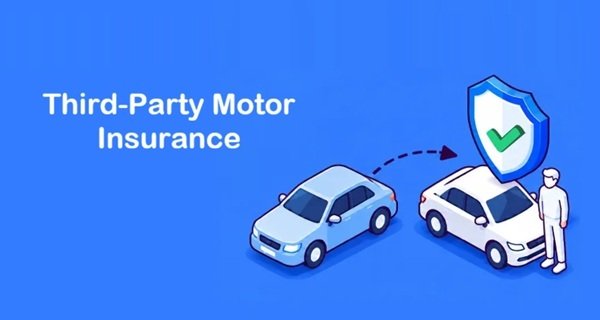
Third-party insurance provides financial protection against specified legal liabilities arising from injury, death, or property damage caused to another person through the insured vehicle.
What Does Section 146 of the Motor Vehicles Act Say?
Section 146 of the Motor Vehicles Act, 1988, establishes the requirement for insurance against third-party risks.
Under this provision, a person must not use, or allow another person to use, a motor vehicle in a public place unless a valid insurance policy complying with the Act’s requirements is in force.
The provision also contains certain limited exceptions, including specified government vehicles and vehicles covered by applicable exemptions under the law.
The purpose of this requirement is to ensure that accident victims have a source of financial compensation for eligible third-party claims. Without mandatory insurance, victims could face difficulties recovering compensation from vehicle owners who may not have sufficient financial resources.
What Are the Penalties for Driving Without Vehicle Insurance?
Section 196 of the Motor Vehicles Act, 1988, provides penalties for driving or allowing a vehicle to be driven in contravention of Section 146.
Under the amended provision, the penalties are:
First offence
₹2,000
Fine, or imprisonment up to three months, or both.
Subsequent offence
₹4,000
Fine, or imprisonment up to three months, or both.
These penalties apply under Section 196 and are distinct from any liability arising from an accident.
For example, if a person drives a car in a public place without valid third-party insurance and is caught for the first time, the person may face a fine of ₹2,000. A subsequent offence can attract a fine of ₹4,000.
The provision also applies to a person who allows an uninsured vehicle to be driven in a public place.
Is Comprehensive Insurance Mandatory in India?
No. Comprehensive motor insurance is not compulsory under the Motor Vehicles Act, 1988. The legal requirement is to maintain valid third-party insurance.
However, comprehensive insurance is often useful because it generally combines third-party liability coverage with own-damage protection.
The main differences are:
| Insurance Type | Legally Mandatory? | Main Coverage |
| Third-Party Insurance | Yes | Eligible liabilities towards third parties |
| Comprehensive Insurance | No | Third-party liability and specified damage to own vehicle |
| Standalone Own-Damage Insurance | No | Specified damage to the insured vehicle |
A vehicle owner can legally drive with valid third-party insurance without purchasing comprehensive coverage. However, damage to the owner’s own vehicle will generally not be covered by a third-party-only policy.
What Does Third-Party Vehicle Insurance Cover?
Third-party insurance protects the policyholder against specified legal liabilities arising from an accident involving the insured vehicle.
Its main coverage includes:
Third-Party Death or Bodily Injury: It covers eligible compensation payable for death or bodily injury caused to another person. Claims for death or bodily injury are generally determined by the Motor Accident Claims Tribunal (MACT), subject to applicable law.
Third-Party Property Damage: It covers eligible damage caused to another person’s property, subject to the applicable policy limit and conditions.
Legal Liability: It provides financial protection against covered third-party claims arising from the use of the insured vehicle.
However, third-party insurance does not generally pay for repairs to the policyholder’s own vehicle or cover the policyholder’s own injuries under the third-party liability section.
What Happens If Your Vehicle Insurance Expires?
Driving a vehicle after its insurance policy expires can create legal and financial problems. Once the policy expires, the vehicle no longer has active coverage under that policy.
If you drive it in a public place without renewing the mandatory third-party insurance, you may face penalties under Section 196.
An expired policy can also create difficulties if the vehicle is involved in an accident. The owner may have to bear eligible third-party liabilities personally if no valid insurance coverage exists.
To avoid these problems:
- Check your insurance expiry date regularly.
- Renew your policy before the existing coverage ends.
- Keep a digital or physical copy of the insurance certificate.
- Verify that the renewed policy has the correct vehicle registration details.
- Do not assume that an expired policy automatically provides a grace period of insurance coverage.
If your policy has already expired, contact an insurer and complete the renewal or purchase process before using the vehicle in a public place.
Is Long-Term Vehicle Insurance Available in India?
Yes. Long-term third-party insurance is available for certain newly purchased vehicles.
Under the applicable IRDAI framework, new private cars generally require a three-year third-party insurance policy, while new two-wheelers generally require a five-year third-party insurance policy at the time of purchase.
This arrangement helps ensure that new vehicle owners maintain the legally required third-party coverage for the specified period. Own-damage coverage may be purchased separately or through an appropriate package policy.
Vehicle owners should check the policy schedule to understand the duration of third-party and own-damage coverage because both may not have the same expiry date.
How to Check Whether Your Vehicle Insurance Is Valid
Vehicle owners can verify their insurance details through several methods:
- Insurance Certificate: Check the policy document for the start date, expiry date, and vehicle registration number.
- Insurer’s Website: Log in to the insurance company’s website or mobile application.
- VAHAN Portal: Use the government’s vehicle-related services to check available registration and insurance information.
- DigiLocker or mParivahan: Access eligible digital vehicle documents where available.
Keep the insurance certificate accessible while driving. Digital documents available through recognised government platforms can help when physical documents are not immediately available.
What Should You Do After an Accident Involving an Uninsured Vehicle?
If an uninsured vehicle is involved in an accident, the situation can create serious financial and legal consequences for its owner or driver.
The affected parties should report the accident to the police where required, preserve relevant evidence, and obtain medical assistance for injured persons. Accident victims may pursue compensation through the appropriate legal process, including proceedings before the Motor Accident Claims Tribunal where applicable.
An uninsured vehicle owner may have to bear the relevant third-party liability personally. The absence of insurance does not remove the owner’s legal responsibility for an accident.
Conclusion
Vehicle insurance is mandatory in India for motor vehicles used in public places under Section 146 of the Motor Vehicles Act, 1988. However, the law requires third-party insurance rather than comprehensive insurance. Driving without valid mandatory coverage can attract a fine of ₹2,000 for a first offence and ₹4,000 for a subsequent offence, or imprisonment up to three months, or both, under Section 196.
Vehicle owners should renew their policies on time, maintain valid insurance documents, and understand the difference between third-party and own-damage coverage. Having appropriate insurance not only helps meet legal requirements but also provides important financial protection against unexpected road accidents.
Frequently Asked Questions (FAQs)
Q. Is vehicle insurance compulsory in India?
Yes. Third-party motor insurance is compulsory for vehicles used in public places under Section 146 of the Motor Vehicles Act, 1988.
Q. What is the fine for driving without insurance in India?
Under Section 196, the penalty is ₹2,000 for a first offence and ₹4,000 for a subsequent offence. Imprisonment up to three months, or both, may also be imposed.
Q. Is comprehensive car insurance mandatory in India?
No. Only the legally required third-party insurance is compulsory. Comprehensive insurance is optional but provides additional protection against specified damage to your own vehicle.
Q. Can I drive my car if its insurance has expired?
You should not drive it in a public place until valid third-party insurance is in force. Doing so can attract penalties under the Motor Vehicles Act.
Q. Is third-party insurance compulsory for scooters and motorcycles?
Yes. Motorcycles and scooters used in public places must have valid third-party insurance.
Q. Does third-party insurance cover damage to my own vehicle?
No. Third-party insurance generally covers eligible liabilities towards other people and their property. Damage to your own vehicle requires suitable own-damage coverage.
Q. Can I show digital motor insurance documents to traffic police?
Yes. Eligible vehicle documents available through recognised platforms such as DigiLocker and mParivahan can be presented digitally, subject to applicable government rules.