Owning a car or two-wheeler provides convenience, independence, and flexibility for daily travel. However, vehicles also involve financial risks, including road accidents, theft, fire, and damage to other people’s property. Motor insurance helps vehicle owners manage these risks by providing financial protection against specified losses and liabilities. In India, having at least third-party motor insurance is a legal requirement for vehicles used in public places under the Motor Vehicles Act, 1988.
Motor insurance is available in different forms, including third-party liability, standalone own-damage, and comprehensive policies. Whether you own a motorcycle, scooter, car, or commercial vehicle, understanding these options can help you select suitable coverage. Knowing the difference between two-wheeler and car insurance, how claims work, and what a policy excludes is equally important before purchasing or renewing coverage.
What Is Motor Insurance?
Motor insurance is an insurance agreement between a vehicle owner and an insurance company. The policyholder pays a premium, and the insurer provides financial coverage for specified vehicle-related risks according to the policy terms.
Motor insurance generally covers two broad categories of risks:
- Third-Party Liability: Financial and legal liability arising from injury, death, or property damage caused to another person by the insured vehicle, subject to applicable law and policy conditions.
- Own-Damage Protection: Coverage for damage to the insured vehicle caused by events such as accidents, fire, theft, natural disasters, and other insured risks.
A motor insurance policy may also offer optional add-ons, such as zero depreciation, roadside assistance, engine protection, and return-to-invoice cover.
Types of Motor Insurance Policies in India
Vehicle owners can choose from different motor insurance policies depending on their coverage requirements.
Third-Party Insurance
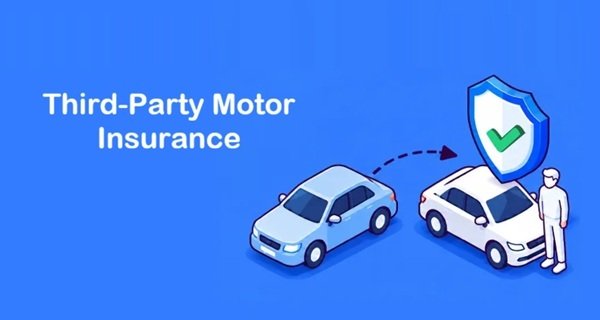
Third-party insurance covers the vehicle owner’s legal liability for injury, death, or property damage caused to another person through the insured vehicle.
It is mandatory for vehicles used in public places in India. However, it does not cover damage to the policyholder’s own vehicle.
For example, if your car accidentally damages another person’s vehicle, third-party insurance may cover the eligible liability under the policy and applicable law. However, repairs to your own car are not covered under this policy.
Comprehensive Motor Insurance
A comprehensive policy generally combines third-party liability coverage with own-damage protection.
It can cover eligible losses arising from:
- Road accidents and collisions.
- Fire and explosions.
- Theft of the insured vehicle.
- Floods, storms, and other covered natural disasters.
- Certain man-made events, such as riots and vandalism.
The exact coverage depends on the policy wording and exclusions.
Standalone Own-Damage Insurance
Standalone own-damage insurance covers specified damage to the insured vehicle but does not replace the mandatory third-party policy.
It can be purchased by eligible vehicle owners who already have valid third-party insurance. This option allows customers to select own-damage protection separately.
What Is Two-Wheeler Insurance?
Two-wheeler insurance is motor insurance designed for motorcycles, scooters, and other eligible two-wheeled vehicles. It provides financial protection against specified liabilities and vehicle damage.
In India, third-party insurance is compulsory for two-wheelers used in public places. New two-wheelers are generally subject to long-term third-party insurance requirements at the time of purchase, while own-damage coverage can be selected separately or as part of an appropriate package policy.
Common two-wheeler insurance options include:
- Third-party bike insurance.
- Comprehensive two-wheeler insurance.
- Standalone own-damage bike insurance.
A comprehensive two-wheeler policy can be useful for riders who want protection against theft, accidents, fire, and other insured risks in addition to third-party liability.
What Is Car Insurance?
Car insurance is a policy that provides financial protection against specified risks involving private cars or other eligible vehicles.
A car insurance policy may cover third-party liabilities, damage to the insured car, and additional risks through optional add-ons.
For example, if your insured car is damaged in an accident, a comprehensive policy may pay for eligible repairs after applying deductibles and other policy conditions.
Car insurance commonly includes:
- Third-party car insurance.
- Comprehensive car insurance.
- Standalone own-damage car insurance.
Car owners should select coverage based on the vehicle’s age, market value, usage, location, and repair costs.
Difference Between Two-Wheeler Insurance and Car Insurance
Although both policies provide motor insurance protection, they differ in the type of vehicle covered, premium calculation, and available add-ons.
| Basis | Two-Wheeler Insurance | Car Insurance |
| Vehicle Covered | Motorcycles and scooters | Private cars and eligible vehicles |
| Premium Factors | Engine capacity, age, location, and coverage | Insured declared value, engine capacity, age, and location |
| Common Risks | Accidents, theft, and third-party injuries | Accidents, theft, fire, and third-party liabilities |
| Popular Add-Ons | Zero depreciation, roadside assistance | Zero depreciation, engine protection, return to invoice |
| Main Purpose | Protects riders and their vehicles against specified risks | Protects car owners against specified risks and liabilities |
Benefits of Motor Insurance
Motor insurance offers several financial and legal benefits to vehicle owners.
Legal Compliance: Third-party motor insurance is mandatory for vehicles used in public places in India. Driving without valid required insurance can result in legal penalties.
Financial Protection: A suitable policy can reduce the financial burden of repairing or replacing a vehicle after an insured event.
Third-Party Liability Coverage: It provides protection against eligible legal liabilities arising from injuries, death, or property damage caused to third parties.
Protection Against Theft: Comprehensive and applicable own-damage policies can cover the insured vehicle against theft, subject to policy conditions.
Peace of Mind: Insurance helps vehicle owners manage unexpected financial risks associated with road accidents and other covered events.
Important Motor Insurance Add-Ons
Vehicle owners can customise certain policies through optional add-ons. Common options include:
- Zero Depreciation Cover: Reduces depreciation deductions on eligible replaced vehicle parts, subject to policy conditions.
- Roadside Assistance: Provides services such as towing, battery support, and emergency assistance.
- Engine Protection: Covers specified engine-related damage, including certain water-ingress incidents, if covered by the add-on.
- Return to Invoice: May compensate for the difference between the vehicle’s insured declared value and its original invoice value in specified total-loss or theft situations.
- Consumables Cover: Covers eligible consumable items, such as engine oil and certain small parts, during approved repairs.
Add-ons increase the premium, so choose only those that are relevant to your vehicle and usage.
How Does a Motor Insurance Claim Work?
The claim process generally involves the following steps:
Inform the Insurer: Report the accident, theft, or damage to your insurance company as soon as possible.
Register a Police Complaint: For theft, third-party injury, or other circumstances requiring police involvement, obtain the relevant report or FIR.
Submit Claim Details: Provide your policy information, vehicle registration details, photographs, and other requested documents.
Vehicle Inspection: The insurer may arrange an inspection or survey to assess the damage.
Repair and Settlement: Under an approved cashless claim, the insurer pays the admissible repair amount directly to a network garage. Under reimbursement, you initially pay the repair bill and claim eligible expenses later.
The insurer settles the claim after applying deductibles, depreciation, exclusions, and other policy conditions.
Conclusion
Motor insurance is essential for protecting vehicle owners against financial and legal risks associated with accidents, theft, and other unexpected events. Two-wheeler insurance is designed for motorcycles and scooters, while car insurance provides coverage for private cars and eligible vehicles.
Third-party insurance fulfils the mandatory legal requirement, whereas comprehensive and standalone own-damage policies offer additional financial protection. Before purchasing a policy, compare premiums, coverage, deductibles, exclusions, and add-ons. Selecting suitable motor insurance can help protect your vehicle and reduce financial uncertainty.
Frequently Asked Questions (FAQs)
Q. Is motor insurance compulsory in India?
Yes. At least third-party motor insurance is compulsory for vehicles used in public places under the Motor Vehicles Act, 1988.
Q. What is the difference between third-party and comprehensive motor insurance?
Third-party insurance covers eligible liabilities towards other people, while comprehensive insurance generally combines third-party liability with protection against specified damage to your own vehicle.
Q. Is two-wheeler insurance different from car insurance?
Yes. Both provide motor insurance protection, but they are designed for different vehicle categories and have different premium calculations, coverage requirements, and optional add-ons.
Q. Does comprehensive motor insurance cover vehicle theft?
Generally, yes. Comprehensive policies cover theft of the insured vehicle, subject to policy conditions, exclusions, and required documentation.
Q. What is zero depreciation cover in motor insurance?
Zero depreciation is an optional add-on that reduces depreciation deductions on eligible replaced parts during an approved claim, subject to its terms and conditions.
Q. Can I buy own-damage insurance without third-party insurance?
No. Standalone own-damage insurance does not replace mandatory third-party coverage. The vehicle must have valid third-party insurance as required by law.
Q. How can I reduce my motor insurance premium?
Compare quotes from different insurers, select suitable add-ons, maintain a good No Claim Bonus where eligible, and choose deductibles carefully. Avoid reducing essential coverage merely to obtain a lower premium.