Cross-border digital payments are becoming one of the biggest innovations in global banking. Many financial institutions are now experimenting with Central Bank Digital Currency (CBDC) infrastructure to improve international settlements, reduce transaction delays, and strengthen financial security.
As part of India’s growing digital banking ecosystem, Axis Bank supports advanced digital banking integrations and pilot financial technologies connected to the Digital Rupee framework introduced by the Reserve Bank of India.
However, some users attempting international CBDC-linked transfers through Axis Net Banking report issues such as timeout errors, failed processing screens, stuck transaction sessions, delayed confirmations, and interrupted authentication requests.
These problems are commonly referred to as cross-border CBDC transfer timeout errors.
Here is a complete guide to understanding and fixing these issues safely.
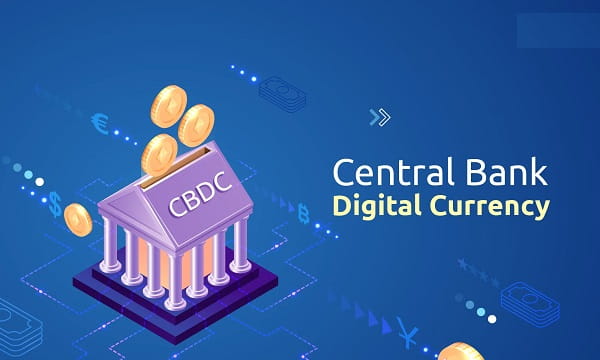
What Is a CBDC Transfer Timeout Error?
A timeout error occurs when the banking system fails to complete communication between multiple financial networks within the allowed processing time.
In cross-border CBDC systems, transactions may involve:
- Central bank settlement systems
- Currency conversion gateways
- Compliance verification engines
- Anti-money laundering checks
- International banking APIs
- Blockchain-inspired settlement layers
- Multi-bank authentication systems
If any of these systems respond slowly, the transfer session may expire before completion.
Common Symptoms of the Problem
Users facing CBDC transfer timeout issues may notice:
- Endless loading screens
- “Session Timed Out” messages
- Payment stuck in processing
- Failed international transfer confirmation
- OTP verification expiration
- Automatic logout during payment
- Transaction reversal delays
- Transfer status remaining pending
These problems are more common during high server traffic or unstable internet sessions.
Main Causes Behind Cross-Border CBDC Timeout Errors
Network Latency
International financial systems require constant synchronization between multiple banking servers. Slow internet or packet delays can interrupt communication.
Heavy Server Traffic
CBDC pilot systems and international banking gateways sometimes experience congestion during peak transaction hours.
Multi-Layer Security Verification
Cross-border transfers require:
- AML checks
- KYC validation
- Currency compliance verification
- Fraud detection monitoring
These checks increase processing time.
Browser Session Expiry
If the user remains inactive for too long during authentication, the banking portal may automatically terminate the session.
VPN or Proxy Interference
VPN services can disrupt geolocation verification and encrypted banking communication.
Outdated Browser or App
Older browsers may fail secure encryption handshakes needed for CBDC-linked financial processing.
How to Fix Axis Net Banking CBDC Timeout Errors
Use a Stable High-Speed Internet Connection
International banking transactions require uninterrupted connectivity.
Avoid:
- Weak mobile data
- Public Wi-Fi
- Congested networks
A stable broadband or strong private Wi-Fi connection works best.
Disable VPN and Proxy Services
Cross-border banking systems often monitor regional authentication patterns.
VPNs can trigger:
- Security verification delays
- Session expiration
- Geo-location mismatch warnings
Disable VPN services before retrying the transaction.
Update Browser and Device Software
Always use updated versions of:
- Google Chrome
- Microsoft Edge
- Mozilla Firefox
- Safari
Also update:
- Operating system
- Security certificates
- Banking app versions
Modern encryption support improves transaction stability.
Complete the Transaction Quickly
CBDC transfer sessions often have strict timeout windows.
Prepare beforehand:
- Beneficiary details
- OTP-ready mobile phone
- Required transaction information
Avoid leaving the session idle during processing.
Clear Browser Cache and Cookies
Corrupted session files can interrupt banking communication.
To clear cache:
- Open browser settings
- Go to Privacy section
- Clear cookies and cache
- Restart browser
- Log in again
This refreshes encrypted session tokens.
Avoid Multiple Simultaneous Tabs
Opening multiple banking tabs may confuse secure session management systems.
Keep only one active Axis Net Banking session open while processing CBDC transfers.
Retry During Non-Peak Hours
Server congestion often increases during:
- Salary processing periods
- Banking business hours
- Festival shopping seasons
- International settlement windows
Retrying early morning or late evening may improve success rates.
Verify Transaction Status Before Retrying
Never immediately repeat a failed transaction.
First check:
- Account balance
- Transaction history
- Pending transfer section
- SMS confirmations
Sometimes the payment succeeds even after a timeout message appears on screen.
Contact Axis Bank Support for Stuck Transactions
If the transfer remains pending for several hours, contact official support immediately.
Provide:
- Transaction reference number
- Time of transfer
- Error screenshot
- Beneficiary country
- Transfer amount
Never share:
- OTP
- Password
- Debit card PIN
Use only official banking support channels.
Are CBDC Cross-Border Transfers Safe?
Yes. CBDC-linked banking systems use advanced encryption, centralized settlement controls, and regulatory compliance frameworks.
Even when timeout errors occur, funds are usually protected through backend transaction reconciliation systems.
Still, users should always verify final settlement status before initiating another transfer.
Why CBDC Transfers Are More Complex Than Normal Transfers
Traditional domestic banking transfers operate within a single regulated banking network.
Cross-border CBDC systems may involve:
- Multiple currencies
- Different regulatory jurisdictions
- Central bank coordination
- Digital identity verification
- Real-time settlement monitoring
This complexity increases the chances of temporary synchronization delays.
Final Thoughts
Axis Net Banking cross-border CBDC transfer timeout errors are usually caused by network instability, server congestion, strict security verification, or session synchronization delays between multiple financial systems. Most issues can be reduced by using stable internet, updated browsers, proper session handling, and avoiding VPN connections.
As CBDC infrastructure matures globally, banks are expected to improve transaction speed, international interoperability, and system stability for smoother cross-border digital payments.
FAQs
Q: What is a CBDC transfer timeout error?
A: It happens when the banking system cannot complete transaction communication within the allowed processing time.
Q: Can weak internet cause transfer failures?
A: Yes. Unstable internet is one of the most common causes of session timeout errors.
Q: Should I retry immediately after a timeout message?
A: No. Always verify transaction history first to avoid duplicate transfers.
Q: Are CBDC transfers secure?
A: Yes. They use advanced banking security systems and regulatory oversight.
Q: Can VPNs affect international banking transactions?
A: Yes. VPNs may trigger security verification delays or geolocation conflicts.
Q: Why do cross-border transfers take longer?
A: They involve multiple banking systems, compliance checks, and international settlement layers.
Q: Can outdated browsers cause timeout problems?
A: Yes. Older browsers may fail modern encryption and secure session requirements.
Q: What should I do if money is debited but transfer status is pending?
A: Contact official Axis Bank support and provide the transaction reference number for investigation.