The dry cleaning business is one of the most reliable service businesses in the garment care industry. As busy lifestyles, professional work environments, and premium clothing become more common, the demand for specialized fabric cleaning services continues to increase. Unlike traditional laundry, dry cleaning uses specialized cleaning solvents instead of water to clean delicate fabrics, helping preserve the quality, color, and texture of garments.
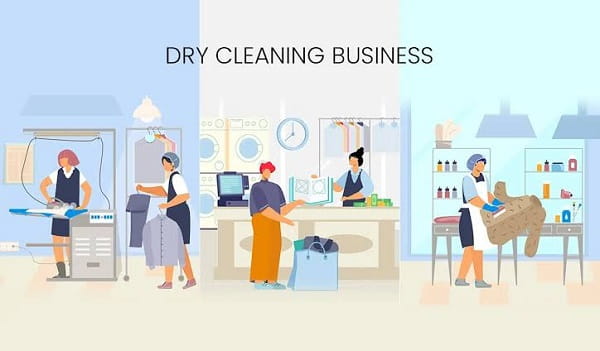
A dry cleaning business provides cleaning, stain removal, pressing, ironing, fabric care, and garment finishing services for clothing, uniforms, curtains, blankets, wedding dresses, suits, leather items, and other delicate textiles. Many businesses also offer doorstep pickup and delivery, express cleaning services, alterations, and garment storage to improve customer convenience.
In 2026, the dry cleaning industry continues to grow due to urbanization, increasing disposable incomes, expanding hospitality businesses, and greater awareness of professional garment care. Digital booking systems, mobile applications, and eco-friendly cleaning technologies have also improved customer experience. However, entrepreneurs should carefully evaluate challenges such as equipment costs, chemical handling, labor management, and increasing competition before entering this business.
Understanding the advantages and disadvantages of a dry cleaning business helps entrepreneurs determine whether this service industry aligns with their investment capacity, operational skills, and long-term business goals.
Advantages of a Dry Cleaning Business
1. Consistent Customer Demand
One of the biggest advantages of a dry cleaning business is the steady demand for garment care services.
Common customers include:
- Office professionals
- Hotels
- Restaurants
- Hospitals
- Schools
- Event organizers
- Families
Many customers require regular cleaning of delicate clothing and uniforms.
2. Recurring Business Opportunities
Customers often return for repeat services because clothing requires regular cleaning.
Recurring services include:
- Weekly garment cleaning
- Corporate uniform cleaning
- Hotel linen cleaning
- Seasonal blanket cleaning
- Wedding garment preservation
Repeat customers provide stable income.
3. Multiple Revenue Streams
A dry cleaning business can generate income through various services, such as:
- Dry cleaning
- Laundry services
- Ironing
- Steam pressing
- Stain removal
- Curtain cleaning
- Carpet cleaning
- Alteration services
Offering multiple services increases revenue potential.
4. Business Scalability
A successful dry cleaning business can expand by:
- Opening additional outlets
- Adding pickup and delivery services
- Serving commercial clients
- Introducing franchise operations
- Expanding into nearby cities
Scalable operations support long-term growth.
5. Growing Commercial Demand
Businesses such as hotels, hospitals, restaurants, and corporate offices regularly require professional garment and linen cleaning.
Commercial contracts provide consistent work and predictable revenue.
6. Premium Service Opportunities
Businesses can increase profits by offering:
- Express dry cleaning
- Luxury garment care
- Wedding dress preservation
- Leather cleaning
- Designer clothing care
Premium services usually command higher prices.
7. Technology Integration
Modern dry cleaning businesses benefit from:
- Online booking systems
- Mobile applications
- Barcode garment tracking
- Digital payment options
- Customer management software
Technology improves operational efficiency.
8. Strong Customer Loyalty
Customers often continue using a dry cleaner they trust for quality and reliability.
Consistent service encourages long-term relationships.
Disadvantages of a Dry Cleaning Business
1. High Initial Investment
One of the biggest disadvantages is the cost of setting up the business.
Major expenses include:
- Dry cleaning machines
- Pressing equipment
- Steam generators
- Solvent recovery systems
- Commercial washing machines
- Shop setup
Startup costs can be significant.
2. Chemical Handling Requirements
Dry cleaning uses specialized cleaning solvents.
Businesses must ensure:
- Safe storage
- Proper handling
- Employee training
- Environmental compliance
Responsible chemical management is essential.
3. Equipment Maintenance Costs
Professional machines require regular servicing.
Maintenance includes:
- Machine repairs
- Filter replacement
- Steam system maintenance
- Solvent management
Unexpected breakdowns may interrupt operations.
4. Labor Management
A dry cleaning business requires trained staff for:
- Garment inspection
- Stain treatment
- Pressing
- Customer service
- Packaging
Skilled employees help maintain service quality.
5. Strong Market Competition
Competition comes from:
- Local dry cleaners
- Laundry service providers
- Online laundry platforms
- Franchise cleaning chains
Businesses should differentiate themselves through quality and convenience.
6. Customer Expectations
Customers expect:
- Spotless cleaning
- Timely delivery
- No garment damage
- Professional packaging
- Friendly customer service
Maintaining high standards is essential.
7. Environmental Compliance
Many regions have regulations regarding:
- Solvent disposal
- Waste management
- Water usage
- Air emissions
Compliance may increase operational responsibilities.
8. Seasonal Demand Variations
Demand for certain services, such as blanket and winter clothing cleaning, may increase during specific seasons.
Businesses should diversify services to maintain year-round income.
Tips for Building a Successful Dry Cleaning Business
A successful dry cleaning business depends on quality service and customer trust. Consider these practical strategies:
- Invest in modern cleaning equipment.
- Train employees in garment care techniques.
- Offer pickup and delivery services.
- Use environmentally friendly cleaning technologies where possible.
- Maintain strict quality control procedures.
- Build relationships with hotels and corporate clients.
- Introduce express service options.
- Use digital booking and payment systems.
- Encourage customer feedback and referrals.
- Keep equipment well maintained.
- Expand service offerings based on customer needs.
Is a Dry Cleaning Business Profitable?
Yes, a dry cleaning business can be profitable because individuals and organizations require regular professional garment care. Recurring customers, commercial contracts, premium services, and value-added offerings create multiple revenue opportunities.
Profitability depends on service quality, operational efficiency, equipment utilization, customer retention, pricing strategy, marketing, and effective cost management. Businesses that consistently provide reliable and professional services often achieve sustainable long-term growth.
Conclusion
The dry cleaning business remains one of the most dependable opportunities in the garment care industry. Increasing urban lifestyles, professional clothing requirements, hospitality growth, and customer demand for convenient cleaning services continue to support industry expansion in 2026.
Although entrepreneurs must manage challenges such as high startup investment, chemical handling, equipment maintenance, labor management, market competition, customer expectations, environmental compliance, and seasonal demand variations, the business provides numerous advantages, including consistent customer demand, recurring business opportunities, multiple revenue streams, business scalability, growing commercial demand, premium service options, technology integration, and strong customer loyalty.
Entrepreneurs who prioritize garment care quality, customer satisfaction, operational efficiency, and reliable service can build a successful and profitable dry cleaning business.
FAQs
Q: What are the main advantages of a dry cleaning business?
A: The main advantages include consistent customer demand, recurring business opportunities, multiple revenue streams, business scalability, growing commercial demand, premium service opportunities, technology integration, and strong customer loyalty.
Q: What are the disadvantages of a dry cleaning business?
A: Common disadvantages include high startup investment, chemical handling requirements, equipment maintenance costs, labor management, strong competition, high customer expectations, environmental compliance, and seasonal demand variations.
Q: Is a dry cleaning business profitable in 2026?
A: Yes, it can be profitable because individuals and businesses regularly require professional garment care. Profitability depends on service quality, customer retention, pricing strategy, operational efficiency, commercial contracts, and effective cost management.
Q: What services can a dry cleaning business offer?
A: Common services include dry cleaning, laundry, ironing, steam pressing, stain removal, curtain cleaning, blanket cleaning, carpet cleaning, leather garment care, wedding dress preservation, alterations, and pickup and delivery services.
Q: How much investment is required to start a dry cleaning business?
A: Investment depends on the business size and equipment used. Major expenses include dry cleaning machines, washing equipment, pressing machines, shop setup, solvent systems, transportation, licensing, marketing, and working capital.
Q: How can a dry cleaning business attract customers?
A: Businesses can attract customers by offering pickup and delivery services, fast turnaround times, competitive pricing, garment care expertise, online booking, loyalty programs, commercial contracts, eco-friendly cleaning options, and excellent customer service.
Q: What skills are required to run a successful dry cleaning business?
A: Important skills include garment care knowledge, stain removal techniques, equipment operation, customer service, inventory management, staff supervision, financial planning, quality control, marketing, operational management, and business development.