Retail banking is the part of the banking system that most people interact with every day. Opening a savings account, withdrawing cash from an ATM, using a debit card, taking a personal loan, or paying bills online—all of this falls under retail banking.
It is designed for individual customers, not large corporations. Over the years, retail banking in India has expanded rapidly, driven by digital technology, financial inclusion, and changing consumer habits. While it has made banking more accessible and convenient, it also comes with certain limitations and risks.
A clear understanding of retail banking helps customers use its services more effectively and avoid common pitfalls.
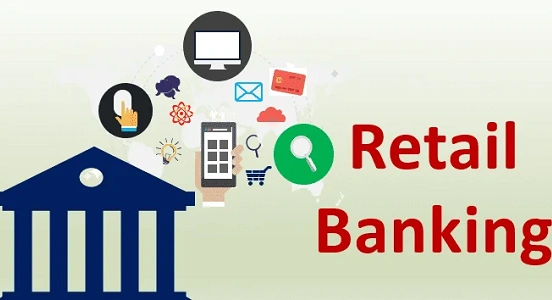
What Is Retail Banking?
Retail banking refers to banking services provided to individual customers and small businesses for personal use. These services are offered through bank branches, ATMs, mobile apps, and internet banking platforms.
Retail banking includes:
- Savings and current accounts
- Fixed and recurring deposits
- Debit and credit cards
- Personal, education, vehicle, and home loans
- Internet and mobile banking
- Bill payments and remittances
In India, retail banking operations are regulated under policies and guidelines issued by the Reserve Bank of India, ensuring customer protection and system stability.
How Retail Banking Works?
Retail banking focuses on high-volume, low-value transactions.
- Banks collect deposits from individuals
- These deposits are used to provide loans and credit
- Banks earn income from interest margins and service charges
- Customers receive financial services for daily and long-term needs
Technology plays a major role, allowing banks to serve millions of customers simultaneously.
Advantages of Retail Banking
1. Easy Access to Banking Services
Retail banking brings essential financial services closer to people.
Customers can:
- Open accounts easily
- Access branches and ATMs
- Use mobile and internet banking
This accessibility has increased banking penetration across urban and rural areas.
2. Wide Range of Financial Products
Retail banks offer multiple products under one roof:
- Deposits for saving and investment
- Loans for personal and professional needs
- Cards and payment services
- Insurance and investment products
This variety allows customers to manage most financial needs with a single bank.
3. Convenience Through Digital Banking
Digital retail banking has transformed customer experience.
Features like:
- Online account opening
- Mobile banking apps
- UPI payments
- 24×7 fund transfers
have reduced dependence on physical branches and paperwork.
4. Promotes Financial Inclusion
Retail banking plays a key role in:
- Bringing unbanked populations into the system
- Supporting government benefit transfers
- Encouraging savings habits
Basic savings accounts and simplified KYC have helped millions access formal banking.
5. Safe and Regulated System
Retail banking operates within a regulated framework.
Customer deposits are protected through:
- Banking regulations
- Deposit insurance limits
- Oversight by regulators
This makes retail banking safer than informal financial channels.
6. Credit Availability for Individuals
Retail banking provides loans for:
- Education
- Housing
- Vehicles
- Personal emergencies
Access to structured credit reduces dependence on informal moneylenders.
7. Builds Financial Discipline
Regular interaction with banks encourages:
- Saving habits
- Budgeting
- Responsible borrowing
- Financial planning
Retail banking supports long-term financial stability for individuals.
Disadvantages of Retail Banking
Despite its benefits, retail banking has several drawbacks.
1. Low Returns on Deposits
Savings accounts and fixed deposits often offer modest returns.
In many cases:
- Interest barely beats inflation
- Real purchasing power may decline
Retail banking products are safe but not ideal for high growth.
2. Service Charges and Hidden Costs
Retail banking involves multiple charges:
- Account maintenance fees
- ATM withdrawal limits
- Debit and credit card charges
- Penalties for minimum balance non-maintenance
These costs can add up, especially for low-income customers.
3. Limited Personalisation
Retail banking serves a large customer base.
As a result:
- Services are standardized
- Individual needs may not be addressed fully
- Personal attention is limited
High-value customers often receive better service than regular users.
4. Risk of Digital Fraud
With increasing digital usage, risks have also increased:
- Phishing
- Fake customer care scams
- Unauthorized transactions
- Data breaches
Retail customers are often the primary targets of financial fraud.
5. Overdependence on Technology
Retail banking now relies heavily on technology.
System issues such as:
- Server downtime
- App failures
- Network problems
can temporarily disrupt access to funds and services.
6. Easy Credit Can Lead to Overborrowing
Retail loans and credit cards are easily available.
This can:
- Encourage impulsive borrowing
- Lead to debt accumulation
- Cause financial stress if income is unstable
Poor credit discipline can damage long-term financial health.
7. Slower Resolution of Complaints
Due to high customer volumes:
- Complaint resolution can be slow
- Customer support may feel impersonal
- Escalations take time
This can frustrate customers during urgent issues.
Retail Banking vs Corporate Banking (Basic Difference)
| Aspect | Retail Banking | Corporate Banking |
| Customer type | Individuals | Companies |
| Transaction size | Small to medium | Large |
| Volume | Very high | Low |
| Customisation | Limited | High |
| Risk profile | Spread across many users | Concentrated |
Who Benefits Most from Retail Banking?
Retail banking is ideal for:
- Salaried individuals
- Students
- Small traders
- Pensioners
- Households managing daily finances
It may be less suitable for:
- Large businesses
- High-net-worth individuals needing tailored solutions
Role of Retail Banking in the Indian Economy
Retail banking:
- Mobilizes household savings
- Channels funds into productive loans
- Supports consumption and housing growth
- Enables digital payment infrastructure
It acts as the backbone of everyday economic activity.
Challenges Facing Retail Banking Today
Retail banks face ongoing challenges such as:
- Rising fraud risk
- Customer data protection
- Balancing profitability with affordability
- Improving service quality at scale
Meeting these challenges requires better technology and stronger customer awareness.
Final Thoughts
Retail banking has made financial services accessible to millions of people. It offers safety, convenience, and a wide range of products that support everyday life. Without retail banking, modern economic activity would slow down significantly.
However, retail banking is not designed for high returns or deep personalisation. Customers must remain aware of fees, digital risks, and borrowing discipline.
Retail banking works best when:
- Used for daily financial needs
- Combined with informed decision-making
- Supported by financial literacy
Retail banking is not just about accounts and transactions. It is about connecting individuals to the formal financial system—securely, responsibly, and efficiently.