In 2026, India’s Nationalised Banks, also known as Public Sector Banks (PSBs), underwent a massive transformation. These banks are shifting from traditional lending to high-tech, profit-driven financial powerhouses. Following the landmark bank mergers and a rigorous cleanup of Non-Performing Assets, nationalised banks now command nearly 60% of India’s total banking business. As the government steers toward a Viksit Bharat, these banks are no longer just custodians of savings; they are leading the charge in digital banking, sovereign green bonds, and complex investment banking services.
This comprehensive guide ranks the Top 10 largest Nationalised Banks in India for 2026 based on notable deals and total assets.
1. State Bank of India (SBI)
Total Assets: Est. ₹66.76 trillion
SBI remains the undisputed king of Indian banking, commanding nearly a quarter of the entire market share. It is the only Indian bank consistently featured in the Fortune Global 500. The HQ of the bank is in Mumbai with local head offices in all major state capitals (Delhi, Kolkata, Chennai, etc.).It operates over 22,000 branches and has a presence in 22+ countries. The key services of the bank include full-spectrum investment banking via SBI Capital Markets, including IPO grading, Cross-border M&A, ECM, and DCM (Debt Capital Markets). It is a lead manager for the SBI Funds Management $1.4 Billion IPO (2026) and primary debt syndicator for National Highways Authority of India (NHAI) green bond issues.
2. Punjab National Bank
Total Assets: Est. ₹18.18 lakh crore
As India’s second-largest PSB, PNB has successfully integrated Oriental Bank of Commerce and United Bank of India to become a digital-first powerhouse. The bank HQ is located in New Delhi, and the Zonal offices are in Mumbai, Lucknow, and Chandigarh. It has a strong presence in Northern India and high recovery rates in the post-merger era. Main services of the bank include Structured Finance, ECM (QIPs), and IPO underwriting. The bank managed several SME IPOs and spearheaded the digital CBDC rollout for government disbursements.
3. Bank of Baroda
Total assets: Est ₹158,579,709 lakh
The third bank on our list of BOB, it is often called “India’s International Bank” due to its extensive overseas network spanning 19 countries. The bank Headquarters is located in Vadodara with the Corporate Centre in Mumbai (BKC). The key services of BOB are M&A advisory via BOBCAPS, Project Finance, and DCM for infrastructure. BOB lands third place for its leading digital transformation and a robust international footprint. Bank is the major financier for the Mumbai-Ahmedabad Bullet Train project and the lead debt arranger for renewable energy clusters in Gujarat.
4. Canara Bank
Total assets: Est ₹1,811,503 crore
Founded in 1906 in Bangalore, Canara Bank is known for customer centricity nationwide, focusing on southern markets. It leads in MSME and agriculture lending, asset quality, and tech-enabled services within the public sector. It ranks fourth place for its strong balance sheet and technology investments enhance competitiveness. The bank is well-known for its participation in several government bond issuances and syndications. Canara bank operates with over 10000 branches spread for pan-India with focus on South markets, it also includes international presence.
5. Union Bank of India
Total assets: Est ₹1,490,323 crore
Union Bank of India is an amalgamation of Andhra Bank and Corporation Bank. The bank has emerged as a diversified retail and corporate giant. The HQ of the bank is located in Mumbai with Zonal offices in Coimbatore, Lucknow, and Hyderabad and operates in over 8,621 branches. Union Bank is well-known for financing major Data Center setups in Hyderabad and Navi Mumbai. Union Bank has expanded significantly through consolidation and digital initiatives, boosting its retail and corporate footprint.
6. Indian Bank
Total Assets: Est ₹895,503 crore
Indian Bank, after merging with Allahabad Bank, has become a leader in eastern and southern India. Based in Chennai, it focuses on MSME and retail banking, ranking sixth for its steady performance and improved assets. It has offices in all major Indian metros and regional hubs.
7. Bank of India
Total Assets:Est ₹1,042,581.95 crore
BOI is a pioneer in SWIFT and electronic banking in India, with a strong legacy in corporate credit. Founded by Mumbai businessmen, it was the first Indian bank to open a branch outside India in London in 1946. The headquarters of the bank is in Mumbai and has a global presence in cities like Tokyo, London and Singapore. It ranks 7th place for its Deep roots in corporate banking and successful specialised funds (BOI MF). BOI is a major participant in the Green Hydrogen Mission funding rounds.
8. Central Bank of India
Total Assets: Est ₹479,128 crore
As the name suggests, this was the first Indian commercial bank which was wholly owned and managed by Indians. Its HQ is located in Mumbai with branches in almost every district of India. The bank successfully raised ₹1,500 Crore via QIP (2025) to boost Tier-1 capital. It ranks 8th place for Massive reach in semi-urban and rural unbanked areas.
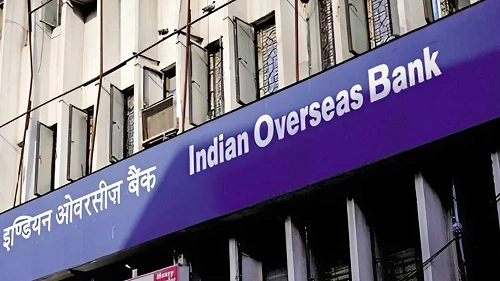
9. Indian Overseas Bank
Total Assets: Est ₹395,014.94 crore
IOB has reinvented itself as a retail-heavy bank with a massive focus on digital jewellery loans and personal credit. IOB HQ is located in Chennai, and the Zonal offices are in Bangalore and Delhi. The bank shows a record growth in Digital Gold Loan disbursements via its revamped mobile app. The bank’s 9th place is due to high profitability and efficient digital-only loan journeys (STP).
10. UCO Bank
Total Assets: Est ₹362,481.08 crore
UCO Bank rounds out the top 10 with a strategic focus on the Eastern Indian economy and government business. The bank HQ is located in Kolkata with Zonal offices in Mumbai, Chennai, and Guwahati. It ranks top because of its strategic importance in inclusive finance and rural credit.
Conclusion
India’s nationalised banks remain vital to the nation’s economic engine — transferring capital where it matters most, enabling development, and offering careers that span from grassroots customer service to complex corporate finance. Their resilience after consolidation and strategic initiatives positions them for continued relevance through 2026 and beyond.