Mobile banking has changed the way people interact with banks. What once required branch visits, long queues, and paperwork can now be done in seconds using a smartphone. From checking account balances to transferring money, paying bills, applying for loans, and investing, mobile banking has turned banking into an on-the-go service.
In India, the rapid spread of smartphones, affordable internet, and digital payment systems has made mobile banking a central part of everyday life. For many users, a banking app is now more important than a physical branch. However, while mobile banking offers speed and convenience, it also introduces risks related to technology, security, and digital dependence.
Understanding the advantages and disadvantages of mobile banking helps users use it confidently and safely.
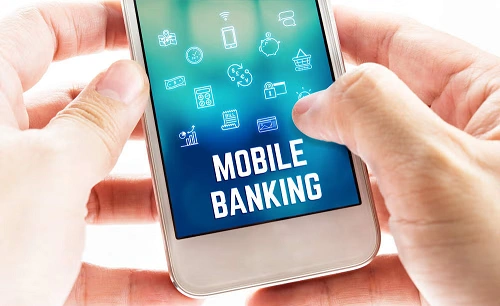
What Is Mobile Banking?
Mobile banking refers to banking services offered through a mobile application or mobile-based platform provided by a bank. It allows customers to access their bank accounts and perform financial transactions using smartphones or tablets.
Mobile banking services include:
- Balance enquiry and mini statements
- Fund transfers (NEFT, IMPS, UPI)
- Bill payments and recharges
- Debit and credit card management
- Loan and FD services
- Account service requests
In India, mobile banking operates under regulations and consumer protection guidelines issued by the Reserve Bank of India.
How Mobile Banking Works?
- Customer installs the bank’s mobile app
- App is linked to the bank account and registered mobile number
- Login is secured using PIN, password, biometrics, or OTP
- Transactions are authorised digitally
- Services are available 24×7
Most apps use encrypted communication and multi-factor authentication to secure transactions.
Advantages of Mobile Banking
1. Anytime, Anywhere Access
The biggest advantage of mobile banking is 24×7 accessibility.
Customers can:
- Transfer money at any time
- Check balances instantly
- Pay bills even on holidays
There is no dependency on branch timings or bank working hours.
2. Convenience and Time Saving
Mobile banking eliminates the need for:
- Visiting branches
- Filling forms
- Standing in queues
Tasks that once took hours can now be completed in minutes, saving time and effort.
3. Wide Range of Services in One App
A single mobile banking app offers multiple services:
- Payments and transfers
- Deposits and investments
- Card controls
- Service requests
This reduces the need to use multiple banking channels.
4. Faster Transactions
Mobile banking supports:
- Instant UPI transfers
- Real-time IMPS payments
- Quick bill settlements
Speed is a major advantage, especially for urgent transactions.
5. Better Account Monitoring
With mobile banking, customers can:
- Track transactions instantly
- Receive real-time alerts
- Monitor spending patterns
This improves financial awareness and control over money.
6. Reduced Cost of Banking
Mobile banking reduces costs for both banks and customers.
- Many services are free
- Fewer branch visits mean lower service charges
- Banks save on operational costs
These savings often benefit customers indirectly.
7. Supports Digital and Cashless Economy
Mobile banking plays a major role in:
- Promoting digital payments
- Reducing cash usage
- Encouraging transparent transactions
It supports financial inclusion and economic formalisation.
Disadvantages of Mobile Banking
Despite its benefits, mobile banking has clear limitations.
1. Dependence on Internet and Smartphones
Mobile banking requires:
- A smartphone
- Stable internet connection
Users in areas with poor network connectivity may face difficulties. Elderly users and those without smartphones may also be excluded.
2. Risk of Cyber Fraud and Scams
Mobile banking users are exposed to risks such as:
- Phishing links
- Fake banking apps
- Malware
- Screen-sharing scams
A single mistake can lead to financial loss if security practices are ignored.
3. Technical Issues and App Downtime
Mobile banking apps may face:
- Server outages
- App crashes
- Slow response during peak hours
During such times, customers may be unable to access funds or complete transactions.
4. Limited Human Interaction
Mobile banking reduces direct interaction with bank staff.
- Complex issues may be difficult to resolve digitally
- Customer support responses may be delayed
- Elderly customers may prefer personal assistance
This can affect service satisfaction in some cases.
5. Security Risks if Phone Is Lost or Compromised
If a mobile phone is:
- Lost
- Stolen
- Hacked
banking apps may be misused unless blocked immediately. Device-level security becomes critical.
6. Not Suitable for All Banking Needs
Certain services still require branch visits, such as:
- High-value documentation
- Legal verification
- Complex loan processing
Mobile banking cannot fully replace physical banking.
7. Digital Literacy Challenges
Many users struggle with:
- App navigation
- Security awareness
- Understanding error messages
Lack of digital literacy can limit effective use of mobile banking.
Mobile Banking vs Internet Banking (Quick Comparison)
| Aspect | Mobile Banking | Internet Banking |
| Device used | Smartphone | Computer / laptop |
| Accessibility | Anywhere | Requires system |
| Ease of use | High | Moderate |
| Best for | Daily transactions | Detailed tasks |
| Dependence | Internet + phone | Internet + system |
Who Should Use Mobile Banking?
Mobile banking is ideal for:
- Salaried individuals
- Students and young users
- Frequent digital payment users
- People seeking convenience
It may be less suitable for:
- Users without smartphones
- People uncomfortable with technology
- Areas with poor internet connectivity
Safe Mobile Banking Practices
To use mobile banking safely:
- Never share OTPs or PINs
- Install apps only from official app stores
- Avoid public Wi-Fi for transactions
- Enable phone lock and app lock
- Update apps regularly
Security awareness is as important as technology.
Role of Mobile Banking in India’s Banking System
Mobile banking has:
- Reduced pressure on bank branches
- Improved banking access in remote areas
- Supported digital payment systems
- Increased transaction transparency
It is now a core channel, not just an add-on service.
Final Thoughts
Mobile banking has made banking faster, simpler, and more accessible. It empowers customers to manage their finances independently and efficiently. For everyday banking needs, mobile apps have become the most preferred channel.
However, convenience comes with responsibility. Cyber risks, technical issues, and digital dependence are real challenges. Mobile banking works best when users remain alert, informed, and cautious.
Mobile banking is not just a feature—it is a shift in how banking is experienced.
Used wisely, it saves time and effort.
Used carelessly, it can expose users to avoidable risks.