The egg business is one of the most reliable and profitable segments of the poultry and food industry. Eggs are a staple food consumed by millions of people every day because they are affordable, nutritious, and versatile. They are widely used in households, restaurants, bakeries, hotels, food processing units, and catering businesses. As awareness of high-protein diets and balanced nutrition continues to grow, the demand for eggs remains strong throughout the year.
An egg business can operate in several forms, including poultry farming for egg production, wholesale trading, retail sales, egg distribution, packaging, export, and value-added egg product manufacturing. Entrepreneurs may also sell specialty products such as organic eggs, free-range eggs, omega-3 enriched eggs, and liquid egg products to meet changing consumer preferences.
In 2026, the egg industry continues to expand due to population growth, increasing health awareness, rising food service demand, and improvements in poultry farming technology. Modern packaging, cold chain logistics, and online grocery platforms have further increased business opportunities. However, entrepreneurs should also evaluate challenges such as feed costs, disease management, price fluctuations, and regulatory compliance before entering this business.
Understanding the advantages and disadvantages of an egg business helps entrepreneurs determine whether this agricultural venture aligns with their investment capacity, operational skills, and long-term business goals.
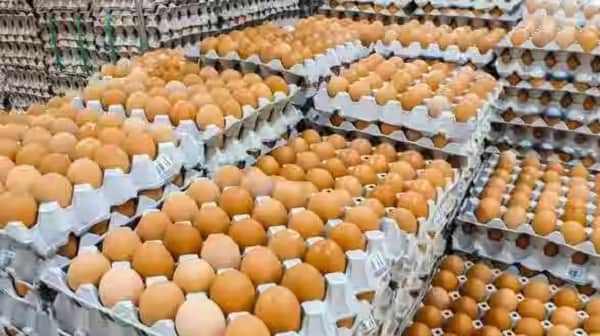
Advantages of an Egg Business
1. Consistent Consumer Demand
One of the biggest advantages of an egg business is the steady demand for eggs throughout the year.
Common customers include:
- Households
- Hotels
- Restaurants
- Bakeries
- Cafes
- Catering companies
- Food manufacturers
- Supermarkets
Daily consumption ensures a stable customer base.
2. High Nutritional Demand
Eggs are valued for their nutritional benefits, including:
- High-quality protein
- Essential vitamins
- Healthy fats
- Minerals
Growing health awareness continues to support market demand.
3. Multiple Revenue Streams
An egg business can generate income from several products, including:
- Table eggs
- Organic eggs
- Free-range eggs
- Liquid egg products
- Boiled eggs
- Egg powder
- Fertilizer from poultry waste
Diversification improves profitability.
4. Business Scalability
A successful egg business can expand by:
- Increasing poultry capacity
- Launching branded egg products
- Entering wholesale markets
- Supplying supermarkets
- Exporting eggs
Scalable operations support long-term growth.
5. Recurring Customer Purchases
Eggs are regularly consumed by households and commercial buyers.
Repeat purchases provide:
- Stable cash flow
- Predictable sales
- Long-term customer relationships
6. Growing Retail and Online Sales
Eggs can be sold through:
- Grocery stores
- Supermarkets
- Online grocery platforms
- Retail outlets
- Wholesale distributors
Multiple sales channels increase revenue opportunities.
7. Opportunities for Premium Products
Consumers increasingly purchase:
- Organic eggs
- Cage-free eggs
- Omega-3 enriched eggs
- Free-range eggs
Premium products often command higher prices.
8. Value-Added Business Opportunities
Businesses can expand into:
- Egg packaging
- Egg processing
- Bakery ingredient supply
- Ready-to-eat egg products
Value-added products improve profit margins.
Disadvantages of an Egg Business
1. Fluctuating Feed Costs
One of the biggest disadvantages is the changing cost of poultry feed.
Feed prices may increase because of:
- Crop shortages
- Market fluctuations
- Weather conditions
Higher feed costs directly reduce profitability.
2. Disease Risks
Poultry farms face risks from diseases that may affect:
- Egg production
- Bird health
- Business operations
Proper biosecurity and veterinary care are essential.
3. Price Fluctuations
Egg prices may change because of:
- Seasonal demand
- Production levels
- Supply chain conditions
- Market competition
Price volatility can affect business income.
4. Perishable Nature
Although eggs have a reasonable shelf life, they require proper handling and storage.
Poor storage may lead to:
- Product spoilage
- Reduced quality
- Financial losses
5. Regulatory Compliance
Businesses should comply with food safety and animal welfare regulations related to:
- Production
- Packaging
- Transportation
- Labeling
- Hygiene standards
Compliance requires ongoing attention.
6. Strong Competition
Competition comes from:
- Local poultry farms
- Large poultry companies
- Wholesale suppliers
- Retail brands
Businesses should compete through quality and branding.
7. Labor Requirements
An egg production business requires workers for:
- Poultry care
- Egg collection
- Cleaning
- Packaging
- Distribution
Efficient labor management supports smooth operations.
8. Investment in Infrastructure
Starting an egg production business often requires investment in:
- Poultry housing
- Feeding systems
- Water supply
- Storage facilities
- Transportation
Infrastructure costs can be significant.
Tips for Building a Successful Egg Business
A successful egg business depends on quality production and efficient management. Consider these practical strategies:
- Maintain excellent poultry health.
- Use high-quality feed.
- Follow strict hygiene practices.
- Invest in proper storage facilities.
- Build relationships with wholesale buyers.
- Offer premium egg varieties.
- Develop attractive product packaging.
- Monitor production costs regularly.
- Diversify sales channels.
- Maintain food safety standards.
- Continuously improve customer service.
Is an Egg Business Profitable?
Yes, an egg business can be highly profitable because eggs remain an essential food product with consistent consumer demand. Retail sales, wholesale distribution, premium egg products, and value-added processing create multiple revenue opportunities.
Profitability depends on efficient poultry management, feed cost control, product quality, pricing strategy, distribution efficiency, customer satisfaction, and operational management. Businesses that consistently deliver fresh, high-quality eggs often achieve sustainable long-term growth.
Conclusion
The egg business remains one of the most dependable opportunities in the poultry and food industry. Growing nutritional awareness, expanding food service businesses, rising retail demand, and improvements in poultry farming continue to support industry growth in 2026.
Although entrepreneurs must manage challenges such as fluctuating feed costs, disease risks, price fluctuations, perishability, regulatory compliance, strong competition, labor requirements, and infrastructure investment, the business provides numerous advantages, including consistent consumer demand, growing nutritional demand, multiple revenue streams, business scalability, recurring customer purchases, expanding retail opportunities, premium product potential, and value-added business options.
Entrepreneurs who prioritize poultry health, product quality, operational efficiency, and customer satisfaction can build a successful and profitable egg business.
FAQs
Q: What are the main advantages of an egg business?
A: The main advantages include consistent consumer demand, growing nutritional demand, multiple revenue streams, business scalability, recurring customer purchases, expanding retail opportunities, premium product options, and value-added business opportunities.
Q: What are the disadvantages of an egg business?
A: Common disadvantages include fluctuating feed costs, disease risks, price fluctuations, the perishable nature of eggs, regulatory compliance, strong competition, labor requirements, and infrastructure investment.
Q: Is an egg business profitable in 2026?
A: Yes, it can be profitable because eggs are consumed daily by households and commercial buyers. Profitability depends on feed management, poultry health, pricing strategy, product quality, distribution efficiency, and operational management.
Q: What products can be sold in an egg business?
A: Common products include table eggs, organic eggs, free-range eggs, omega-3 enriched eggs, liquid egg products, egg powder, boiled eggs, packaged eggs, and bakery egg supplies.
Q: How much investment is required to start an egg business?
A: Investment depends on the business model and scale. Major expenses include poultry housing, birds, feeding systems, water systems, storage facilities, transportation, packaging, veterinary care, licensing, marketing, and working capital.
Q: How can an egg business attract customers?
A: Businesses can attract customers by offering fresh eggs, premium varieties, hygienic packaging, competitive pricing, reliable delivery, online ordering, wholesale partnerships, attractive branding, loyalty programs, and excellent customer service.
Q: What skills are required to run a successful egg business?
A: Important skills include poultry management, feed planning, animal health management, inventory control, financial planning, food safety compliance, marketing, customer service, supply chain management, operational management, and business development.