Debit cards have quietly become one of the most used banking tools in India. From ATM withdrawals to online shopping and UPI-linked payments, debit cards sit at the center of everyday transactions. They are simple, fast, and directly connected to your bank account.
But convenience does not mean perfection. To use debit cards smartly, it’s important to understand both their benefits and their limitations.
What Is a Debit Card?
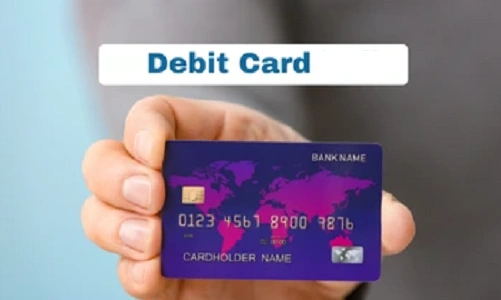
A debit card is a payment instrument linked directly to your savings or current account. When you make a payment or withdraw cash using a debit card, the money is immediately deducted from your bank balance.
Unlike credit cards, there is no borrowing involved. You can only spend what you already have in your account.
Debit cards in India are issued under guidelines regulated by the Reserve Bank of India and are supported by networks such as RuPay, Visa, and Mastercard.
How a Debit Card Works?
- Debit card is linked to your bank account
- You swipe, insert, tap, or enter card details
- Bank verifies PIN/OTP
- Amount is deducted instantly from your account
- Transaction is completed
This real-time deduction is what makes debit cards different from credit cards.
Advantages of Debit Cards
1. Direct Control Over Spending
Since debit cards use your own money, overspending is naturally limited. You cannot spend more than your available bank balance.
This makes debit cards ideal for:
- Students
- First-time bank users
- People managing strict budgets
2. No Debt or Interest Risk
Debit cards do not involve credit. There are:
- No bills
- No interest charges
- No late payment penalties
This eliminates the risk of falling into debt, which is common with credit cards.
3. Easy Access to Cash
Debit cards allow cash withdrawals from ATMs across India and abroad (subject to limits). This reduces the need to carry large amounts of cash.
Many banks also allow:
- Mini statements
- Balance enquiry
- PIN generation at ATMs
4. Wide Acceptance
Debit cards are widely accepted at:
- Retail stores
- Online platforms
- Fuel stations
- Utility payment portals
With contactless and online usage, debit cards now work almost everywhere.
5. Low or No Annual Charges
Most basic debit cards have:
- Zero joining fee
- Very low annual maintenance charges
Compared to credit cards, debit cards are significantly cheaper to maintain.
6. Safer Than Carrying Cash
If a debit card is lost or stolen, it can be blocked immediately. Cash, once lost, is gone forever.
Security features include:
- PIN protection
- OTP for online transactions
- Daily transaction limits
7. Encourages Banking Habits
Debit cards promote:
- Digital payments
- Account usage
- Transaction tracking
They help users move away from cash-based habits.
Disadvantages of Debit Cards
Despite their usefulness, debit cards have several limitations.
1. Limited Fraud Protection Compared to Credit Cards
If a debit card is compromised:
- Money is deducted directly from your account
- Recovery can take time
- Temporary cash flow issues may arise
Credit cards usually offer stronger chargeback protection than debit cards.
2. No Credit-Building Benefit
Debit card usage does not improve your credit score. Since there is no borrowing involved, banks and credit bureaus do not consider debit card transactions for credit history.
3. Daily Transaction Limits
Debit cards have limits on:
- ATM withdrawals
- POS transactions
- Online payments
For high-value purchases, these limits can be restrictive.
4. Dependence on Account Balance
If your account balance is low:
- Transactions may fail
- Emergency payments may not go through
There is no buffer like a credit limit.
5. International Usage Restrictions
International transactions often require:
- Separate activation
- Additional charges
- Higher risk monitoring
Many users keep international usage disabled for safety, limiting flexibility abroad.
6. Limited Rewards and Benefits
Compared to credit cards, debit cards usually offer:
- Fewer reward points
- Lower cashback
- Limited insurance or lifestyle benefits
Premium debit cards exist, but benefits are still modest.
7. Risk of ATM Skimming and PIN Theft
Although security has improved, risks like:
- ATM skimming
- Fake keypads
- Shoulder surfing
still exist, especially at poorly monitored ATMs.
Debit Card vs Credit Card (Quick Comparison)
| Feature | Debit Card | Credit Card |
| Uses own money | Yes | No |
| Interest charges | No | Yes (if unpaid) |
| Credit score impact | No | Yes |
| Spending limit | Account balance | Credit limit |
| Fraud impact | Direct account hit | Bank absorbs first |
Who Should Use Debit Cards?
Debit cards are best suited for:
- Students and young earners
- People avoiding debt
- Everyday expenses
- ATM withdrawals
- Budget-controlled spending
They are not ideal for:
- Building credit history
- High-value purchases needing protection
- Reward-focused spending
Final Thoughts
Debit cards are practical, disciplined, and widely accepted. They are excellent tools for daily banking and controlled spending. However, they lack the financial flexibility, protection, and rewards that credit cards provide.
The smartest approach is not choosing one over the other blindly, but understanding where each fits.
- Debit cards are best for spending what you have.
- Credit cards are tools for managing short-term credit responsibly.
Used correctly, debit cards remain one of the most reliable and essential banking products in India.