Credit cards have become an important part of modern banking in India. From online shopping and travel bookings to emergency expenses, credit cards offer convenience and flexibility that few payment options can match. Used wisely, they can be powerful financial tools. Used carelessly, they can turn into long-term liabilities.
Understanding how credit cards help and where they can hurt is essential before using them regularly.
What Is a Credit Card?
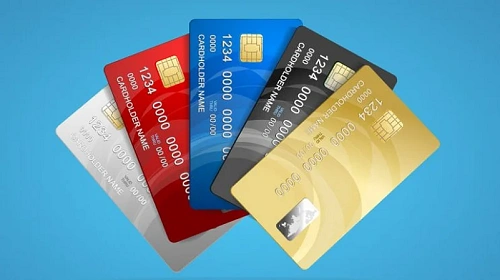
A credit card is a short-term credit facility provided by a bank or financial institution. Instead of using your own money, the bank allows you to spend up to a pre-approved credit limit.
You repay the amount later, either in full or partially. If the full amount is not paid by the due date, interest is charged on the outstanding balance.
Credit cards in India operate under regulatory guidelines issued by the Reserve Bank of India, which govern billing practices, interest disclosure, and customer protection.
How a Credit Card Works?
- Bank issues a credit card with a fixed credit limit
- You use the card for purchases or payments
- Transactions are billed to your card account
- A monthly statement is generated
- You repay the full amount or minimum due by the due date
Paying the full bill avoids interest. Paying only the minimum keeps the balance rolling forward with interest.
Advantages of Credit Cards
1. Interest-Free Credit Period
One of the biggest benefits of credit cards is the interest-free period, usually ranging from 20 to 50 days.
If you pay the full bill on time:
- No interest is charged
- You effectively get short-term credit for free
This feature is useful for managing monthly cash flow.
2. Convenience and Wide Acceptance
Credit cards are accepted:
- Online and offline
- In India and internationally
- For subscriptions, bookings, and utilities
They eliminate the need to carry cash and simplify digital payments.
3. Builds Credit History
Regular and disciplined credit card usage helps build a strong credit score.
Timely payments:
- Improve creditworthiness
- Increase chances of loan approval
- Help secure lower interest rates in future
For first-time borrowers, a credit card is often the easiest way to start building credit history.
4. Reward Points and Cashback
Most credit cards offer rewards such as:
- Cashback on spending
- Reward points redeemable for products or travel
- Discounts on dining, shopping, and fuel
For frequent spenders, these benefits can significantly reduce effective costs.
5. Emergency Financial Support
In emergencies, credit cards provide instant access to funds when savings are insufficient.
They are useful for:
- Medical expenses
- Urgent travel
- Unexpected repairs
This makes credit cards a financial backup tool.
6. Strong Fraud Protection
Credit cards generally offer better fraud protection than debit cards.
If unauthorized transactions occur:
- Banks investigate first
- Liability is often limited for the customer
- Disputed amounts are usually reversed faster
This protection is especially valuable for online and international transactions.
7. EMI and Flexible Repayment Options
Many banks allow large purchases to be converted into EMIs, reducing the burden of one-time payments.
Some cards also offer:
- No-cost EMIs
- Balance transfer facilities
- Temporary credit limit enhancements
These features improve spending flexibility.
Disadvantages of Credit Cards
While credit cards offer many benefits, their risks are equally real.
1. High Interest Rates
Credit card interest rates are among the highest in retail banking, often ranging between 30% to 45% per annum.
If you carry forward balances:
- Interest accumulates quickly
- Debt can spiral out of control
Credit cards are expensive borrowing tools if misused.
2. Encourages Overspending
Easy access to credit can lead to impulsive spending.
Many users spend more than they can comfortably repay, assuming future income will cover it. This habit often results in:
- Chronic debt
- Financial stress
- Missed payments
3. Minimum Due Trap
Paying only the minimum due may seem convenient, but it is dangerous.
- Interest continues on the remaining balance
- Repayment period becomes very long
- Total interest paid increases sharply
This is one of the most common credit card mistakes.
4. Annual Fees and Hidden Charges
Many credit cards come with:
- Annual or renewal fees
- Late payment charges
- Over-limit fees
- Cash withdrawal charges
If card benefits are not used properly, these costs can outweigh the rewards.
5. Cash Withdrawal Is Expensive
Using a credit card to withdraw cash attracts:
- High interest from day one
- Additional cash advance fees
Credit cards should never be used as ATM cards unless absolutely necessary.
6. Negative Impact on Credit Score if Misused
Late payments, high credit utilization, or defaults can severely damage your credit score.
A poor credit score can:
- Delay loan approvals
- Increase loan interest rates
- Limit future credit access
Credit cards demand discipline.
7. Risk of Fraud and Data Breaches
Despite strong protection, risks still exist:
- Phishing scams
- Fake websites
- Card data leaks
Careless sharing of card details can lead to unauthorized usage.
Credit Card vs Debit Card (Quick Comparison)
| Feature | Credit Card | Debit Card |
| Uses borrowed money | Yes | No |
| Interest charges | Yes (if unpaid) | No |
| Credit score impact | Yes | No |
| Rewards & offers | High | Limited |
| Spending discipline | Required | Automatic |
Who Should Use Credit Cards?
Credit cards are suitable for:
- Salaried individuals with stable income
- People who can pay full bills on time
- Frequent online or travel spenders
- Individuals looking to build credit history
They are not suitable for:
- Irregular income earners
- People struggling with spending control
- Those already in heavy debt
Smart Credit Card Usage Tips
- Always pay the full bill, not just the minimum due
- Keep credit utilization below 30–40%
- Avoid cash withdrawals
- Track spending regularly
- Use rewards wisely, not blindly
Final Thoughts
Credit cards are neither good nor bad by default. They are tools. Their impact depends entirely on how they are used.
Used responsibly, credit cards:
- Improve financial flexibility
- Build credit history
- Offer valuable rewards and protection
Used irresponsibly, they:
- Create long-term debt
- Damage credit scores
- Cause financial stress
The key is discipline. A credit card should support your finances, not control them.