In the modern global economy, banks are more than just financial institutions. They are economic powerhouses that influence markets, governments, and international trade. The world’s largest banks manage trillions of dollars in assets. They finance global infrastructure projects, support multinational corporations, and shape monetary stability.
From Beijing to New York and Paris to Tokyo, a group of banking giants dominates the global financial system. These institutions are classified as systemically important banks. Their stability is crucial to the world economy. Understanding who they are and why they matter offers valuable insight into global economic trends.
In this article, we explore the top 10 Biggest Banks in the World in 2026, ranked primarily by total assets, using data from official bank reports, regulatory filings, and global financial rankings.
How “Biggest” Banks Are Measured?
When financial analysts and regulatory bodies rank the largest banks in the world, they weigh several indicators — but total assets remain the most commonly accepted metric. Total assets represent the cumulative value of everything a bank owns or controls — from loans and securities to cash reserves and physical properties. This figure helps illustrate how large a bank is, how much credit it can extend, and how broad its footprint might be on the global stage.
List of Largest Banks in the World
1. Industrial and Commercial Bank of China (ICBC)
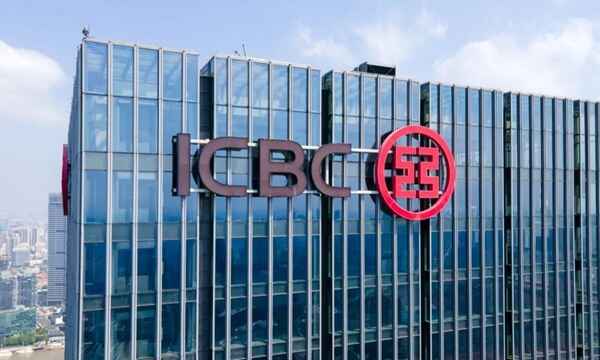
- Country: China
- Estimated Assets: Over USD 6 trillion
ICBC continues to hold the title of the largest bank in the world in 2026. As a state-owned institution, it plays a key role in China’s domestic economy while financing massive infrastructure projects globally. ICBC’s scale allows it to finance vast infrastructure projects, underwrite sovereign debt, and serve an expansive customer base across Asia, Europe, and beyond. Its dominance in corporate lending and trade finance makes it a pillar of international banking.
2. Agricultural Bank of China (ABC)
- Country: China
- Estimated Assets: Over USD 5.8 trillion
Second on the list is another Chinese powerhouse — the Agricultural Bank of China. Originally established to support rural and agricultural development, the Agricultural Bank of China has historically focused on rural and agricultural credit, and has expanded massively to offer retail, corporate, and international banking services, making it critical to both China’s economic development and global credit markets.
3. China Construction Bank (CCB)
- Country: China
- Estimated Assets: Over USD 5.4 trillion
China Construction Bank stands as a global titan with deep involvement in infrastructure and real estate financing. With a strong international presence, CCB supports major development projects across Asia, Europe, and Africa, reinforcing China’s global economic footprint. Its project finance portfolios have grown significantly over the past decade, helping cement its status as one of the most influential banks worldwide.
4. Bank of China (BOC)
- Country: China
- Estimated Assets: Over USD 4.7 trillion
Bank of China stands out for its global reach. It operates in more than 60 countries, such as Europe, Asia, and the Americas. It is a key player in foreign exchange services and cross-border trade financing, making it vital to international commerce.
5. JPMorgan Chase & Co.
- Country: United States
- Estimated Assets: Over USD 4 trillion
JPMorgan Chase is the largest bank in the United States and a global leader in investment banking, asset management, and commercial banking. Its advanced digital platforms and strong risk management practices set industry benchmarks worldwide.
One of JPMorgan’s biggest strengths lies in its global investment banking leadership. The bank consistently ranks at the top for mergers and acquisitions advisory, equity underwriting, and debt capital markets.
6. Bank of America
- Country: United States
- Estimated Assets: Over USD 3.3 trillion
Bank of America is another American giant with a vast retail and commercial banking footprint. The bank serves millions of retail and corporate customers globally. With strong positions in consumer banking, wealth management, and corporate finance, it remains a cornerstone of the U.S. and global financial systems.
The bank’s strength lies in its massive consumer banking network, serving millions of individuals and businesses through branches, ATMs, and highly rated digital platforms.
7. HSBC Holdings PLC
- Country: United Kingdom
- Estimated Assets: Over USD 3 trillion
HSBC is one of the world’s most international banks. With deep roots in Asia and strong operations in Europe and the Americas, it plays a crucial role in global trade finance and cross-border banking.
8. BNP Paribas
Country: France
Estimated Assets: Over USD 2.8 trillion
BNP Paribas is Europe’s largest bank by assets. France’s banking giant, BNP Paribas, is a leading player in corporate and institutional banking. It is a dominant force in corporate and institutional banking, securities services, and international finance, with a strong presence across global markets. Further, its strong European base, combined with international operations, solidifies its position among the world’s largest financial institutions.
9. Crédit Agricole Group
- Country: France
- Estimated Assets: Over USD 2.7 trillion
Crédit Agricole operates under a cooperative banking model and is a major player in European retail banking, agricultural finance, and asset management. Its size, diversified operations, and regional influence place it squarely among the top banking institutions globally.
10. Mitsubishi UFJ Financial Group (MUFG)
- Country: Japan
- Estimated Assets: Over USD 2.6 trillion
MUFG is Japan’s largest banking group and a major global financial institution. Its operations span commercial banking, investment banking, and wealth management across Asia, Europe, and North America.
Conclusion: The Future of Global Banking
The Top 10 Biggest Banks in the World in 2026 represent the backbone of the global financial system. Their enormous asset bases, international reach, and systemic importance make them central players in shaping economic outcomes worldwide.
As digital banking, sustainability finance, and regulatory oversight continue to evolve, these financial giants will remain at the forefront of global economic transformation. For investors, policymakers, and financial professionals, understanding these institutions is essential for navigating the future of global finance.
As the world continues to grapple with economic uncertainties — from inflationary pressures to geopolitical tensions — the stability and performance of these banking giants will remain central to global financial resilience.