Automated Teller Machines, commonly known as ATMs, changed banking long before mobile apps and UPI became popular. For the first time, customers could access their money without entering a bank branch. Even today, ATMs remain a critical part of the banking system, especially for cash withdrawals and basic banking services.
Despite the growth of digital payments, ATMs continue to serve millions of people daily—particularly in areas where cash is still essential. However, like any banking channel, ATMs have both strengths and limitations.
Understanding ATM advantages and disadvantages helps customers use them safely and efficiently.
What Is an ATM?
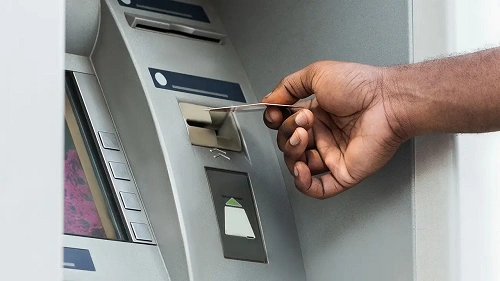
An ATM (Automated Teller Machine) is an electronic banking outlet that allows customers to perform basic banking transactions without the help of bank staff.
Common ATM services include:
- Cash withdrawal
- Balance enquiry
- Mini statements
- Cash deposits (at selected machines)
- PIN generation and change
- Fund transfers (limited cases)
In India, ATM operations are regulated under guidelines issued by the Reserve Bank of India.
How an ATM Works?
- Customer inserts or taps the ATM card
- PIN is entered for authentication
- Transaction type is selected
- Bank system verifies details
- Cash or service is provided
Modern ATMs also support contactless and cardless withdrawals in some banks.
Advantages of ATMs
1. 24×7 Access to Cash
The biggest advantage of ATMs is round-the-clock availability.
- Cash can be withdrawn anytime
- No dependency on bank working hours
- Useful during emergencies and holidays
This convenience makes ATMs highly reliable.
2. Saves Time and Effort
ATMs eliminate:
- Long queues inside bank branches
- Waiting for teller assistance
Quick self-service transactions save time, especially for simple tasks.
3. Wide Network and Accessibility
ATMs are located at:
- Bank branches
- Shopping areas
- Railway stations
- Airports
- Rural and semi-urban areas
Interbank ATM networks allow customers to use ATMs of different banks.
4. Reduces Workload on Bank Branches
By handling routine transactions, ATMs:
- Reduce pressure on bank staff
- Allow branches to focus on complex services
This improves overall banking efficiency.
5. Easy-to-Use Interface
ATMs are designed for:
- Simple navigation
- Multiple language options
- Quick instructions
Even first-time users can learn ATM usage easily.
6. Safer Than Carrying Large Cash
ATMs allow:
- Withdrawal of required amount only
- Reduced need to carry cash for long periods
This lowers the risk associated with carrying large sums.
7. Additional Banking Services
Modern ATMs offer:
- Mini statements
- PIN generation
- Cash deposit (CDM) facilities
- Account services
This adds convenience beyond cash withdrawal.
Disadvantages of ATMs
Despite their usefulness, ATMs have clear drawbacks.
1. Limited Daily Withdrawal Limits
ATMs have:
- Per-transaction limits
- Daily withdrawal caps
For large cash needs, ATMs may not be sufficient.
2. Risk of ATM Fraud
ATM-related frauds include:
- Card skimming
- PIN theft
- Fake keypads
- Shoulder surfing
Poorly monitored ATMs increase security risk.
3. Dependence on Card and PIN
If:
- Card is lost or damaged
- PIN is forgotten
ATM access becomes impossible until issues are resolved.
4. Technical Failures and Cash Unavailability
ATMs may face:
- Server issues
- Cash shortages
- Machine breakdowns
Failed transactions can cause inconvenience, even if money is later reversed.
5. Charges After Free Transaction Limit
Banks allow limited free ATM transactions.
Beyond that:
- Charges apply per transaction
- Costs increase for frequent users
This can become expensive over time.
6. Not Suitable for All Banking Needs
ATMs are limited to basic services.
They cannot:
- Open accounts
- Resolve complex issues
- Provide personalised assistance
Branch visits remain necessary for advanced services.
7. Physical Safety Concerns
Using ATMs late at night or in isolated areas can pose:
- Personal safety risks
- Theft threats
Location and timing matter for safe usage.
ATM vs Digital Banking (Quick Comparison)
| Aspect | ATM | Digital Banking |
| Cash access | Yes | No |
| Availability | 24×7 | 24×7 |
| Internet required | No | Yes |
| Fraud type | Physical | Cyber |
| Human interaction | None | None |
Who Should Use ATMs?
ATMs are ideal for:
- Cash withdrawals
- Rural and semi-urban users
- Elderly customers
- Emergency cash needs
They are less useful for:
- Large-value transactions
- Complex banking services
Safe ATM Usage Tips
- Cover the keypad while entering PIN
- Avoid help from strangers
- Use well-lit and secure ATMs
- Monitor account statements regularly
- Block card immediately if lost
Basic awareness reduces most ATM-related risks.
Role of ATMs in the Indian Banking System
ATMs:
- Extend banking beyond branches
- Support financial inclusion
- Reduce operational costs
- Ensure cash availability across regions
They remain a vital bridge between digital banking and cash-based needs.
Final Thoughts
ATMs may not be new, but they are far from obsolete. They provide instant access to cash, basic banking services, and unmatched convenience—especially where digital payments are not always practical.
However, ATMs come with limitations such as withdrawal caps, security risks, and dependency on cards. They should be used as a support channel, not the only banking method.
ATMs give access to money. They do not replace smart financial planning.
Used carefully, ATMs remain one of the most reliable tools in everyday banking.