Asia has firmly established itself as the center of global banking growth. By 2026, Asian banks are expected to dominate international rankings in terms of total assets, customer base, and regional influence. Rapid economic expansion, digital transformation, rising consumer wealth, and strong government backing have allowed Asian financial institutions to outperform many of their Western counterparts. From China’s state-owned banking giants to innovative regional leaders in Japan and Southeast Asia, Asia’s banking sector continues to shape the global financial system.
Here is the definitive guide to the Top 10 Biggest Banks in Asia in 2026, ranked by total assets, along with their net worth and strategic outlook.
1. Industrial and Commercial Bank of China (ICBC)
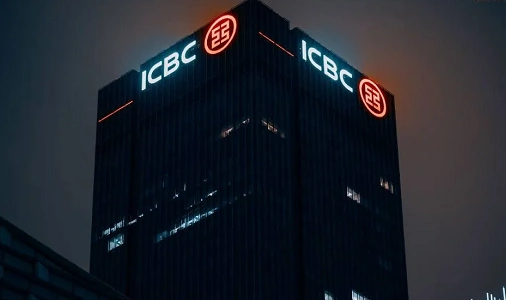
- Total Assets (2026 Est.): $7.15 Trillion
- Net worth (Equity): $530 Billion
For over a decade, ICBC has not just been the biggest bank in Asia, but the largest in the world. In 2026, it continues to break records. Serving over 700 million individual customers and 10 million corporate clients, ICBC’s balance sheet is larger than the GDP of many G7 nations.
ICBC has successfully integrated the e-CNY (Digital Yuan) into its core retail operations. The bank is a primary source of lending for government infrastructure grants, ensuring that every Yuan allocated for green energy or tech development is tracked with block chain precision.
2. Agricultural Bank of China (ABC)
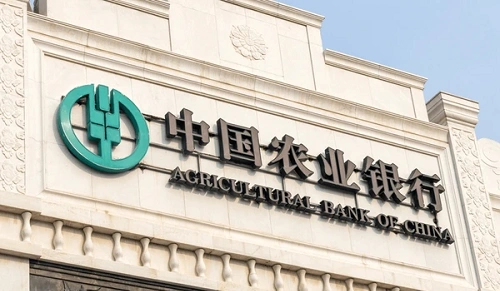
- Total Assets (2026 Est.): $6.25 Trillion
- Net Worth (Equity): $410 Billion
While it started as a lender for farmers, in 2026 it is the primary financier for massive Ag-Tech projects and rural digitization. ABC has utilized AI-driven credit scoring to lend to small-scale rural entrepreneurs who were previously unbanked. This “inclusive finance” model has added nearly $400 billion to its asset base in the 2024–2026 period alone.
3. China Construction Bank (CCB)
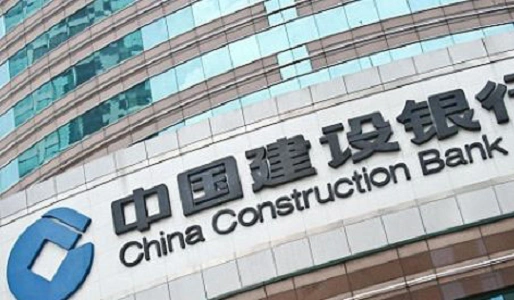
- Total Assets (2026 Est.): $5.98 Trillion
- Net Worth (Equity): $445 Billion
CCB remains the backbone of urban development. In 2026, the bank has moved from traditional real estate toward new Infrastructure projects. This includes 6G networks, EV charging grids, and smart city data centers.
CCB is dedicated to Green Finance, making it one of the most environmentally conscious mega-lenders in the world.
4. Bank of China (BOC)
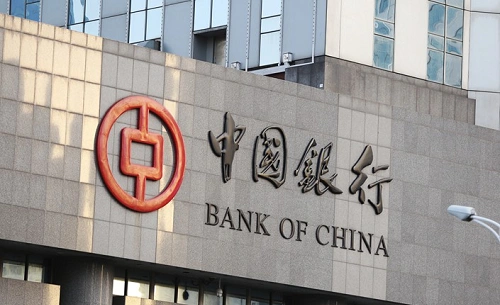
- Total Assets (2026 Est.): $5.35 Trillion
- Net Worth (Equity): $385 Billion
Bank of China in recent times acts as the primary clearing bank for the Renminbi (RMB) in international markets. As more Asian and Middle Eastern countries settle trade in local currencies, BOC’s global footprint has expanded significantly.BOC now operates in over 60 countries, acting as the bridge for the “Belt and Road Initiative” and has shifted focus toward digital and health-related projects.
5. Mitsubishi UFJ Financial Group (MUFG)
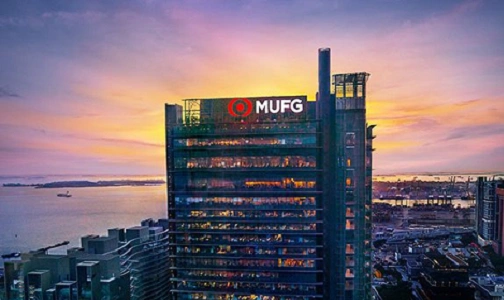
- Total Assets (2026 Est.): $3.15 Trillion
- Market Cap: $225 Billion
Japan’s Mitsubishi UFJ Financial Group (MUFG) is the largest bank in Japan and one of Asia’s most stable financial institutions. According to 2026 financial reports, MUFG is the only “improving” megabank in the APAC region outside of emerging markets. Their strategic stakes in Morgan Stanley and various Southeast Asian banks (like Bank Danamon) have paid off handsomely, diversifying their income beyond the aging Japanese domestic market.
6. HSBC Asia-Pacific
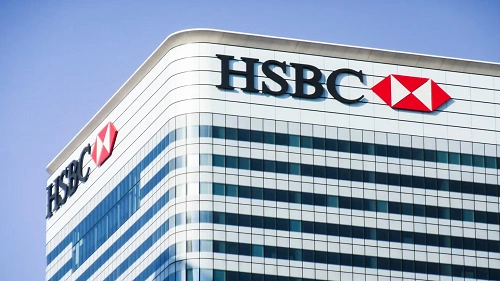
- Total Assets (Asia): ~$2.8 Trillion
- Group Total Assets: Over $3.1 Trillion
While headquartered in London, HSBC generates over 50% of its revenue in Asia, specifically Hong Kong. In early 2026, HSBC completed the full acquisition of Hang Seng Bank, solidifying its grip on the wealth management sector in the Pearl River Delta. In 2026, HSBC is focused on the “Global Wealth” influx into the UAE and Singapore. They have committed to $1.5 billion in cost savings by the end of this year.
7. Postal Savings Bank of China (PSBC)
- Total Assets (2026 Est.): $2.55 Trillion
- Net Worth (Equity): $165 Billion
PSBC boasts the largest branch network in the world. In 2026, it serves as the ultimate retail bank, focusing on consumer deposits and low-risk wealth management for the general public.
Unlike the other Big Four, PSBC does not have heavy exposure to large corporate debt or volatile real estate, making it one of the most stable and “safest” bank.
8. Japan Post Bank

- Total Assets (2026 Est.): $1.85 Trillion
- Net Worth (Equity): $95 Billion
Essentially a giant savings vessel for the Japanese population, Japan Post Bank remains a titan due to the sheer volume of domestic deposits. In 2026, the bank has aggressively shifted its portfolio away from Japanese Government Bonds (JGBs) toward international private equity and real estate to seek higher yields.
9. Bank of Communications (BoCom)
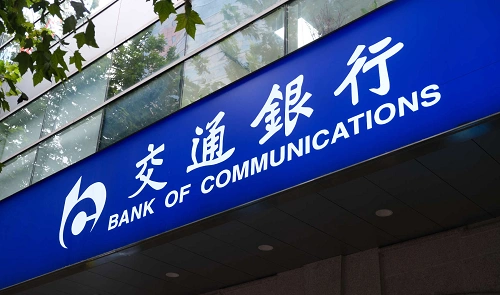
- Total Assets (2026 Est.): $1.75 Trillion
- Net Worth (Equity): $130 Billion
BoCom is often referred to as the “Fifth Giant” of Chinese banking. Based in Shanghai, it is the leader in trade finance and “Digital Ship” financing. BoCom has pioneered the use of Smart Contracts in maritime trade, reducing the time for “Letters of Credit” from days to minutes. This has made it the preferred bank for the massive trade routes between Shanghai, Singapore, and Rotterdam.
10. DBS Bank
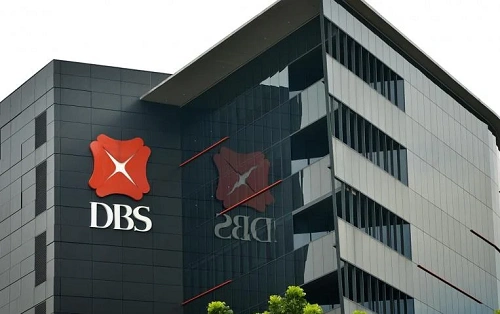
- Total Assets (2026 Est.): $585 Billion
- Market Cap: $65 Billion
Singapore-based DBS Bank is widely regarded as one of Asia’s most innovative banks. In 2026, DBS stands out for its digital-first strategy, customer-centric approach, and strong financial performance. DBS consistently ranks as the “Safest Bank in Asia” and the “Best Bank in the World” for digital transformation. It has become the primary custodian for institutional crypto-assets and tokenized bonds in Asia, bridging the gap between traditional finance and the decentralized economy.
Key Trends Driving Asia’s Banking Growth in 2026
Asia’s largest banks are shaped by several key trends:
- Digital banking adoption across mobile and online platforms
- Sustainable and green finance initiatives
- Expansion into emerging Asian markets
- Advanced risk management and cybersecurity frameworks
- These trends are redefining how banks operate and compete in the global financial system.
Conclusion
The top 10 biggest banks in Asia in 2026 highlight the region’s financial strength, technological leadership, and global influence. From China’s massive state-owned banks to innovative regional leaders like DBS and BCA, Asia’s banking sector reflects resilience and adaptability.