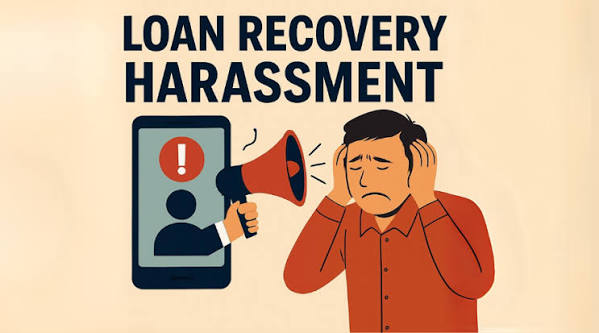
No, harassment by a credit card recovery agent is not legally permitted in India. Credit card issuers have the right to recover legitimate outstanding dues, and they may engage recovery agents for this purpose. However, RBI regulations require recovery activities to be conducted fairly and prohibit intimidation, harassment, threats, public humiliation, privacy violations and false or misleading representations.
A credit card default does not give a recovery agent unlimited authority to pressure or intimidate the cardholder.
Can Credit Card Recovery Agents Contact Defaulters?
Yes. A credit card issuer or its authorised recovery agent can contact a cardholder regarding overdue dues.
The legal issue is generally not whether the agent can contact the customer, but how the recovery activity is carried out. RBI’s framework requires banks and card issuers to ensure that recovery agents follow applicable fair-practice requirements and maintain customer confidentiality.
Therefore, receiving calls, notices or other legitimate communications about an unpaid credit card balance does not by itself constitute harassment.
What Conduct Can Amount to Harassment?
RBI specifically prohibits banks, NBFCs and their agents from resorting to intimidation or harassment, whether verbal or physical, during debt-collection activities.
Prohibited conduct includes actions intended to:
- Publicly humiliate the cardholder
- Intrude on the privacy of family members, friends or referees
- Make threatening or anonymous calls
- Use false or misleading representations
- Intimidate the cardholder physically or verbally
These protections apply even though the underlying credit card dues may be legally recoverable.
The distinction is important: a lender can demand payment, but it cannot use prohibited methods to obtain it.
Can Recovery Agents Contact Family Members?
Recovery agents must respect the privacy of the cardholder’s family members, friends and referees.
RBI’s credit-card directions specifically prohibit conduct that intrudes on their privacy or is intended to humiliate the cardholder publicly.
This does not mean that every communication involving another person is automatically unlawful. For example, the legal position can be different where another person has an independent contractual role, such as a co-borrower or guarantor.
However, contacting relatives merely to shame, threaten or publicly pressure the cardholder can fall within prohibited recovery practices.
Can Agents Threaten or Abuse a Cardholder?
No.
A recovery agent cannot lawfully use abusive language, threats, physical intimidation or similar tactics merely because a credit card bill remains unpaid.
RBI’s rules expressly prohibit both verbal and physical intimidation or harassment during debt collection.
If a recovery agent threatens violence or engages in conduct that may constitute an independent criminal offence, the cardholder can consider approaching the appropriate law-enforcement authority in addition to complaining to the card issuer.
Can Recovery Agents Misrepresent Their Authority?
Recovery communications should not contain false or misleading representations.
A person claiming to be a recovery agent should be able to identify the lender or agency they represent. RBI has also required communications from recovery agents to contain the name and address of a responsible senior officer of the card issuer whom the customer can contact.
If someone demands immediate payment while refusing to identify the lender, agency or authority under which they are acting, the cardholder should verify the communication directly with the card issuer before making payment.
Is Customer Privacy Protected During Recovery?
Yes.
RBI’s framework requires credit card issuers to protect customer confidentiality. Information provided by a cardholder that is not required for recovery purposes should not be unnecessarily disclosed to recovery agents.
This is particularly important where recovery activity involves personal information, contact details, financial information or communications with third parties.
A recovery agent’s access to customer information does not mean that the agent has unlimited permission to disclose or misuse it.
Is the Bank Responsible for the Recovery Agent?
Yes, the card issuer cannot simply distance itself from the conduct of an outsourced recovery agent.
RBI has stated that the card-issuing bank or NBFC is responsible as principal for acts or omissions of its agents, including recovery agents.
Therefore, if a recovery agency engaged by a credit card issuer allegedly uses prohibited methods, the cardholder should complain to the issuer itself rather than assuming that the issue is solely between the agent and the borrower.
Can Recovery Agents Keep Calling About an Unpaid Bill?
Recovery agents can make legitimate recovery communications, but repeated or persistent contact can become problematic when it crosses into intimidation or harassment.
The overall manner and purpose of the communication matter. A card issuer’s right to recover an outstanding balance does not permit its agents to repeatedly threaten, publicly shame or intimidate the cardholder.
Cardholders should maintain call logs and other evidence if they believe communications have become excessive or abusive.
What Should You Do If a Recovery Agent Harasses You?
A cardholder should document the conduct carefully. Useful evidence may include:
- Call logs and phone numbers
- SMS, WhatsApp messages and emails
- Names or identification details of the agents
- Details of visits to the home or workplace
- Copies of collection notices
- Payment receipts and account statements
- Any recorded communications obtained lawfully
The first step should generally be a written complaint to the credit card issuer’s grievance-redressal mechanism. RBI’s credit-card framework requires card issuers to maintain a grievance-redressal mechanism and provide customers with information about how complaints can be escalated.
If the complaint is not satisfactorily resolved, the cardholder may use the applicable RBI complaint-redressal mechanism, subject to the relevant conditions and procedure.
Does Harassment Cancel the Credit Card Debt?
No, not automatically.
If a recovery agent behaves improperly, that does not ordinarily eliminate the legitimate outstanding credit card liability.
The cardholder can challenge unlawful recovery conduct while the issuer’s legitimate claim for payment remains a separate issue.
Similarly, the existence of unpaid dues does not give the recovery agent permission to use harassment or intimidation.
Conclusion
Credit card recovery agent harassment is not legally permitted in India. RBI rules allow credit card issuers to pursue genuine outstanding dues, but they prohibit intimidation, harassment, public humiliation, privacy violations, threatening or anonymous calls and false or misleading representations.
The card issuer also remains responsible for the conduct of recovery agents it engages.
If a cardholder experiences improper recovery practices, they should preserve evidence, complain to the card issuer in writing and use the appropriate regulatory or legal remedy where necessary. At the same time, challenging harassment is separate from disputing a genuine credit card debt.
The key principle is simple: a credit card company has the right to recover legitimate dues, but recovery must be carried out through lawful, fair and respectful methods.