The JCB business is one of the popular opportunities in the construction equipment rental and service industry. With continuous growth in infrastructure development, road construction, real estate projects, agriculture activities, and industrial expansion, the demand for heavy machinery such as backhoe loaders and excavators remains strong.
A JCB business involves purchasing, renting, leasing, or providing machinery services for construction and other heavy-duty activities. Entrepreneurs can earn income by offering equipment on rent to builders, contractors, farmers, government projects, and infrastructure companies. The business can be started with one machine and gradually expanded by adding more equipment.
In 2026, the construction equipment rental market continues to grow because many small contractors prefer renting machinery instead of purchasing expensive equipment. Rental services help companies reduce investment costs while gaining access to modern machines whenever required.
A JCB machine is commonly used for:
- Excavation work
- Road construction
- Land clearing
- Foundation digging
- Agricultural activities
- Drainage projects
- Material handling
- Demolition work
However, starting a JCB business requires significant investment, proper maintenance planning, skilled operators, and knowledge of market demand. Entrepreneurs should carefully understand both the advantages and disadvantages before entering this industry.
Understanding the benefits and challenges of a JCB business helps entrepreneurs make informed decisions and develop effective strategies for long-term profitability.
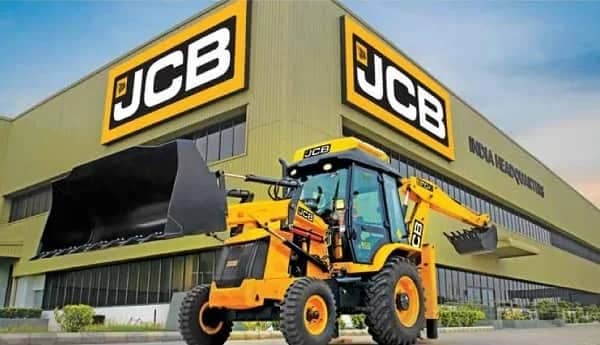
Advantages of a JCB Business
1. High Demand in Construction Industry
One of the biggest advantages of a JCB business is the continuous demand from construction and infrastructure sectors.
JCB machines are required for:
- Residential projects
- Commercial buildings
- Road construction
- Government projects
- Industrial development
- Agricultural work
Growing construction activities create regular business opportunities.
2. Multiple Income Opportunities
A JCB business can generate revenue through different methods, including:
- Hourly machine rental
- Daily equipment rental
- Long-term contracts
- Construction partnerships
- Land development projects
Multiple earning options improve business potential.
3. Strong Rental Market Opportunity
Many contractors prefer renting machinery because purchasing heavy equipment requires large capital.
Rental demand comes from:
- Small contractors
- Builders
- Farmers
- Infrastructure companies
- Local businesses
A well-managed rental business can generate consistent income.
4. Long-Term Asset Value
A JCB machine is a valuable business asset.
Benefits include:
- Long working life
- Resale value
- Income generation capability
- Business expansion opportunities
Proper maintenance helps preserve equipment value.
5. Expansion Possibilities
Entrepreneurs can expand a JCB business by:
- Adding more machines
- Hiring multiple operators
- Serving larger projects
- Entering equipment leasing
- Expanding service areas
Growth opportunities are significant.
6. Essential Equipment for Many Projects
JCB machines are widely used because they perform multiple tasks.
A single machine can help with:
- Digging
- Loading
- Excavation
- Material movement
- Site preparation
Versatility increases customer demand.
7. Opportunity for Regular Contracts
Businesses can secure long-term contracts with:
- Construction companies
- Real estate developers
- Government contractors
- Industrial projects
Regular contracts provide stable revenue.
8. Business Independence
A JCB business allows entrepreneurs to operate independently without depending on a single employer.
Owners can control:
- Pricing
- Working schedule
- Customer selection
- Expansion decisions
Business ownership provides flexibility.
Disadvantages of a JCB Business
1. High Initial Investment
One of the biggest disadvantages of a JCB business is the high purchase cost.
Major expenses include:
- Machine purchase
- Registration
- Insurance
- Transportation
- Financing costs
Large investment requirements can be challenging for beginners.
2. High Maintenance Expenses
Heavy machinery requires regular maintenance.
Costs may include:
- Engine servicing
- Hydraulic repairs
- Tire replacement
- Spare parts
- Machine inspections
Unexpected repairs can reduce profits.
3. Operator Dependency
A skilled operator is essential for efficient machine performance.
Challenges include:
- Finding experienced operators
- Managing employee costs
- Operator availability
- Training requirements
Operator quality affects productivity and equipment safety.
4. Fuel Cost Fluctuations
JCB machines consume significant fuel.
Operating costs can increase due to:
- Rising fuel prices
- Long working hours
- Transportation requirements
Fuel management is important for profitability.
5. Competition in the Market
Competition exists from:
- Local machine owners
- Equipment rental companies
- Construction service providers
Businesses need competitive pricing and reliable service.
6. Machine Downtime Risk
Equipment failure can interrupt business operations.
Downtime may result from:
- Mechanical problems
- Lack of maintenance
- Spare part delays
- Unexpected breakdowns
Regular servicing reduces operational risks.
7. Dependence on Construction Demand
The business depends heavily on construction activities.
Demand may decrease due to:
- Economic slowdown
- Reduced projects
- Seasonal factors
- Market changes
Proper financial planning is necessary.
8. Storage and Transportation Challenges
Managing heavy equipment requires proper arrangements.
Businesses may need:
- Secure storage space
- Transportation vehicles
- Parking facilities
- Security arrangements
Additional costs may affect profitability.
Tips for Building a Successful JCB Business
A successful JCB business requires proper planning, maintenance, and customer management. Consider these practical strategies:
- Research local construction demand.
- Choose the right machine model.
- Maintain equipment regularly.
- Hire skilled operators.
- Build relationships with contractors.
- Offer competitive rental rates.
- Track fuel and maintenance expenses.
- Create an online business presence.
- Provide reliable service.
- Maintain proper insurance coverage.
- Develop long-term contracts.
- Expand equipment gradually.
Is a JCB Business Profitable?
Yes, a JCB business can be profitable because construction, infrastructure, and agricultural activities create continuous demand for heavy machinery. Entrepreneurs can earn income through rentals, contracts, and equipment services.
Profitability depends on machine utilization, rental rates, maintenance costs, fuel expenses, operator management, customer relationships, and market demand. Businesses that maintain equipment properly and secure regular projects can achieve sustainable growth.
Conclusion
The JCB business remains an attractive opportunity in the construction equipment industry in 2026. Increasing infrastructure development, real estate growth, road projects, and demand for rental machinery continue to support market opportunities.
Although entrepreneurs must manage challenges such as high investment costs, maintenance expenses, fuel price changes, operator dependency, competition, machine downtime, construction market fluctuations, and transportation requirements, the business provides several advantages, including strong demand, multiple income sources, asset value, expansion opportunities, regular contracts, equipment versatility, and business independence.
Entrepreneurs who focus on proper maintenance, customer relationships, cost control, and reliable service can build a successful and profitable JCB business.
FAQs
Q: What are the main advantages of a JCB business?
A: The main advantages include high construction demand, multiple income opportunities, strong rental potential, long-term asset value, expansion possibilities, regular contracts, equipment versatility, and business independence.
Q: What are the disadvantages of a JCB business?
A: Common disadvantages include high initial investment, maintenance expenses, operator dependency, fuel costs, competition, machine downtime risks, construction market dependency, and transportation challenges.
Q: Is a JCB business profitable in 2026?
A: Yes, it can be profitable because demand for construction machinery remains strong. Profitability depends on machine usage, rental rates, maintenance management, fuel costs, and customer demand.
Q: How much investment is required to start a JCB business?
A: Investment depends on the machine model and business scale. Major expenses include equipment purchase, financing, insurance, registration, maintenance, transportation, and operating costs.
Q: What services can be offered in a JCB business?
A: Common services include excavation, land clearing, road construction support, foundation digging, demolition work, agricultural land preparation, material handling, and equipment rental.
Q: How can a JCB business attract customers?
A: Businesses can attract customers through contractor partnerships, competitive pricing, reliable service, online marketing, local networking, timely project completion, and long-term rental agreements.
Q: What skills are required to run a successful JCB business?
A: Important skills include equipment management, financial planning, customer handling, operator management, maintenance knowledge, project coordination, cost control, and business development.