The e-rickshaw business has emerged as one of the fastest-growing transportation businesses due to the increasing demand for affordable, eco-friendly, and convenient urban mobility. Electric rickshaws are widely used for short-distance passenger transportation and small-scale goods delivery in cities, towns, and semi-urban areas. As governments encourage electric mobility and cleaner transportation, the e-rickshaw industry continues to expand rapidly.
An e-rickshaw business can operate in several ways. Entrepreneurs may purchase one or multiple e-rickshaws and operate them personally, lease vehicles to drivers, establish a fleet for commercial transportation, or provide delivery services for businesses. Some companies also operate e-rickshaws for school transportation, tourism, last-mile connectivity, and logistics support. With lower operating costs than fuel-powered vehicles, e-rickshaws have become an attractive investment for small business owners.
In 2026, the demand for e-rickshaws continues to grow because of rising fuel prices, supportive government policies, improved battery technology, and increased environmental awareness. Charging infrastructure is gradually expanding, making electric vehicles more practical for daily operations. However, entrepreneurs should also evaluate challenges such as battery replacement costs, limited driving range, infrastructure availability, and regulatory requirements before entering this business.
Understanding the advantages and disadvantages of an e-rickshaw business helps entrepreneurs determine whether this transportation venture aligns with their investment capacity, operational skills, and long-term business goals.
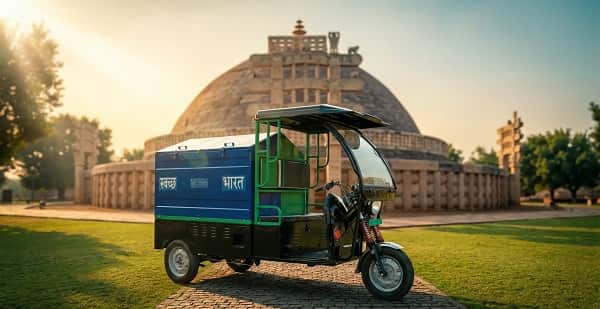
Advantages of an E-Rickshaw Business
1. Growing Market Demand
One of the biggest advantages of an e-rickshaw business is the increasing demand for affordable local transportation.
Common customers include:
- Daily commuters
- Students
- Office employees
- Senior citizens
- Tourists
- Local shoppers
Urban growth continues to support passenger demand.
2. Lower Operating Costs
Compared to fuel-powered vehicles, e-rickshaws generally have lower operating expenses.
Savings come from:
- Reduced fuel costs
- Lower maintenance requirements
- Fewer moving engine parts
This improves long-term profitability.
3. Environmentally Friendly
E-rickshaws produce zero tailpipe emissions during operation.
They help:
- Reduce air pollution
- Lower carbon emissions
- Support sustainable transportation
Environmental benefits continue to increase their popularity.
4. Government Support
Many governments encourage electric mobility through:
- Financial incentives
- Subsidies
- EV promotion programs
- Infrastructure development
Supportive policies may reduce business costs.
5. Business Scalability
A successful e-rickshaw business can expand by:
- Adding more vehicles
- Leasing rickshaws to drivers
- Offering delivery services
- Serving corporate transportation
- Expanding into nearby locations
Scalable operations support business growth.
6. Multiple Revenue Opportunities
Businesses can earn income through:
- Passenger transportation
- Goods delivery
- Vehicle leasing
- Advertising on vehicles
- School transportation
- Tourist transportation
Diversified revenue streams improve financial stability.
7. Easy Business Management
Fleet management software and GPS tracking allow operators to monitor:
- Vehicle locations
- Driver performance
- Charging schedules
- Daily earnings
Technology simplifies operations.
8. Increasing Public Acceptance
Consumers increasingly prefer electric transportation because it is quieter, cleaner, and more economical.
Growing awareness supports long-term industry expansion.
Disadvantages of an E-Rickshaw Business
1. Battery Replacement Costs
One of the biggest disadvantages is the eventual replacement of batteries.
Battery replacement represents a significant long-term expense.
2. Limited Driving Range
Most e-rickshaws have a limited range on a single charge.
Businesses should carefully plan:
- Daily routes
- Charging schedules
- Operational hours
Range limitations may affect productivity.
3. Charging Infrastructure
Although charging facilities continue to expand, some areas still have limited access to reliable charging infrastructure.
Charging availability influences business efficiency.
4. Initial Investment
Starting an e-rickshaw business requires investment in:
- Vehicles
- Batteries
- Charging equipment
- Licensing
- Insurance
Fleet expansion requires additional capital.
5. Weather Dependency
Heavy rainfall, flooding, or extreme weather conditions may affect:
- Vehicle performance
- Passenger demand
- Battery efficiency
Weather conditions can temporarily reduce business activity.
6. Regulatory Compliance
Businesses should comply with regulations regarding:
- Vehicle registration
- Driver licensing
- Insurance
- Safety standards
Compliance requires ongoing management.
7. Maintenance Requirements
Although maintenance costs are generally lower than conventional vehicles, regular servicing is still necessary.
Routine maintenance includes:
- Brake inspection
- Tire replacement
- Electrical system checks
- Battery monitoring
Preventive maintenance improves vehicle reliability.
8. Strong Competition
Competition comes from:
- Traditional auto-rickshaws
- Ride-sharing services
- Taxi operators
- Public transportation
Businesses should differentiate themselves through service quality and reliability.
Tips for Building a Successful E-Rickshaw Business
A successful e-rickshaw business depends on efficient operations and customer satisfaction. Consider these practical strategies:
- Purchase high-quality vehicles.
- Maintain batteries properly.
- Choose routes with strong passenger demand.
- Build relationships with commercial customers.
- Use GPS fleet management systems.
- Provide excellent customer service.
- Monitor charging schedules carefully.
- Maintain vehicles regularly.
- Diversify income through delivery services.
- Follow all transportation regulations.
- Expand gradually as demand increases.
Is an E-Rickshaw Business Profitable?
Yes, an e-rickshaw business can be profitable because operating costs are generally lower than conventional fuel-powered transportation. Passenger fares, vehicle leasing, goods delivery, advertising, and corporate transportation services create multiple revenue opportunities.
Profitability depends on vehicle utilization, battery management, maintenance efficiency, route selection, customer demand, pricing strategy, and operational management. Businesses operating in high-demand locations often achieve sustainable long-term growth.
Conclusion
The e-rickshaw business remains one of the most promising transportation opportunities in 2026. Rising fuel prices, growing environmental awareness, government support for electric mobility, and increasing demand for affordable urban transportation continue to drive industry growth.
Although entrepreneurs must manage challenges such as battery replacement costs, limited driving range, charging infrastructure, initial investment, weather dependency, regulatory compliance, maintenance requirements, and market competition, the business provides numerous advantages, including growing market demand, lower operating costs, environmental sustainability, government incentives, business scalability, multiple revenue opportunities, simplified fleet management, and increasing public acceptance.
Entrepreneurs who prioritize reliable vehicles, efficient fleet management, customer satisfaction, and strategic route planning can build a successful and profitable e-rickshaw business.
FAQs
Q: What are the main advantages of an e-rickshaw business?
A: The main advantages include growing market demand, lower operating costs, environmental sustainability, government support, business scalability, multiple revenue opportunities, easier fleet management, and increasing public acceptance.
Q: What are the disadvantages of an e-rickshaw business?
A: Common disadvantages include battery replacement costs, limited driving range, charging infrastructure limitations, initial investment, weather dependency, regulatory compliance, maintenance requirements, and strong competition.
Q: Is an e-rickshaw business profitable in 2026?
A: Yes, it can be profitable because operating costs are relatively low and demand for affordable transportation continues to grow. Profitability depends on vehicle utilization, battery management, maintenance, route planning, pricing strategy, and customer demand.
Q: What services can an e-rickshaw business provide?
A: Common services include passenger transportation, last-mile connectivity, school transportation, tourist transportation, goods delivery, courier services, commercial fleet operations, and vehicle leasing.
Q: How much investment is required to start an e-rickshaw business?
A: Investment depends on the number of vehicles and the business model. Major expenses include purchasing e-rickshaws, batteries, charging equipment, registration, insurance, maintenance tools, marketing, and working capital.
Q: How can an e-rickshaw business attract customers?
A: Businesses can attract customers by offering reliable service, affordable pricing, clean vehicles, professional drivers, convenient routes, digital payment options, commercial partnerships, delivery services, loyalty programs, and excellent customer support.
Q: What skills are required to run a successful e-rickshaw business?
A: Important skills include fleet management, financial planning, customer service, vehicle maintenance coordination, route optimization, regulatory compliance, marketing, driver supervision, operational management, and business development.